HAMPTON, VA (December 1, 2025) — In the bustling Phoebus neighborhood, residents know the sound well — the brass warmups drifting over the water, the crisp snap of the snare rolling down Mallory Street. In the opposite direction across the Hampton River, the Downtown community can hear the faint echo of a melody that signals pride, discipline, and legacy. It’s the unmistakable pulse of Hampton University’s Marching Force, a soundtrack woven into the daily rhythm of the city.
And soon, that sound will travel to one of the most iconic stages in America.
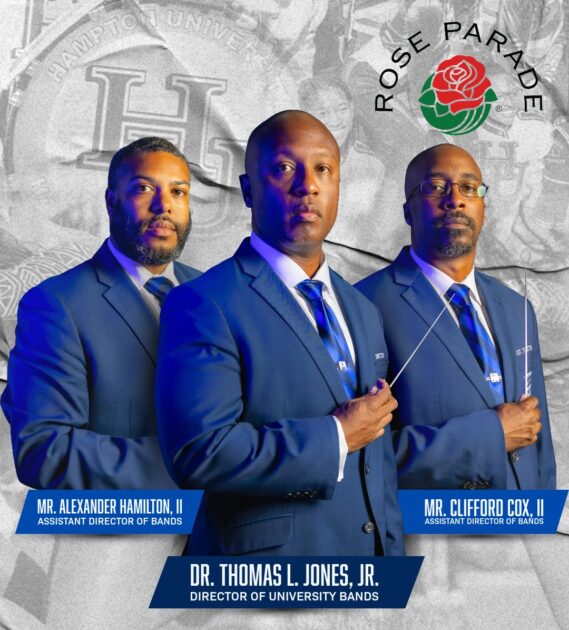
All three Hampton University band directors — Dr. Thomas L. Jones, Jr., Director of University Bands; Mr. Clifford Cox, II, Assistant Director of Bands; and Mr. Alexander Hamilton, II, Assistant Director of Bands — have been selected to perform in the 2026 Tournament of Roses Parade as part of the Saluting America’s Band Directors Project, an ensemble of more than 500 music educators nationwide.
Their selection marks the second time the trio has taken the national spotlight together, following their appearance in the 2023 Macy’s Thanksgiving Day Parade. This honor highlights the enduring influence of Hampton’s musical tradition. That tradition defined by excellence, artistry, and the unmistakable sound of an HBCU band in full stride.
A National Stage for a Distinct Sound
The Marching Force has earned a reputation for high-caliber musicianship and commanding showmanship. When they play, audiences feel the convergence of history, culture, and heart — a sound that lifts spirits, stirs emotion, and captures the pride of an entire community.
Now, that voice will be heard by millions of viewers tuning in to the Rose Parade.
“It’s an honor to be selected again and even more meaningful to share it with Dr. Jones and Mr. Hamilton,” Cox said. “We want people to see what music makes possible for students and communities.”
Hamilton reflected on the upcoming reunion with the SABD ensemble: “Marching in the Macy’s Parade was unforgettable. Returning with the full director team to represent Hampton again is something I’m grateful for.”
For Dr. Jones, the moment reflects the resilience and brilliance of Hampton’s musicians. “Our students rise through every challenge,” he said. “This honor shows that the work poured into them, and into Hampton, is recognized.”
A Moment for The Marching Force
From homecoming crowds, the 2025 Honda Battle of the Bands, to national broadcasts, The Marching Force continues to elevate Hampton University’s presence and push the boundaries of musical excellence. Their upcoming Rose Parade appearance affirms Hampton’s place among the country’s premier musical programs and brings the resonant heartbeat of an HBCU band to a global stage.
To support The Marching Force visit the link here.
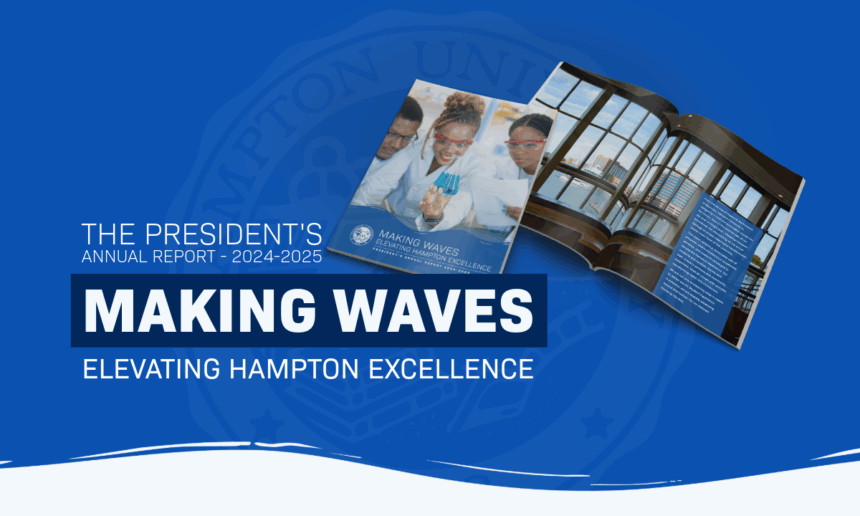
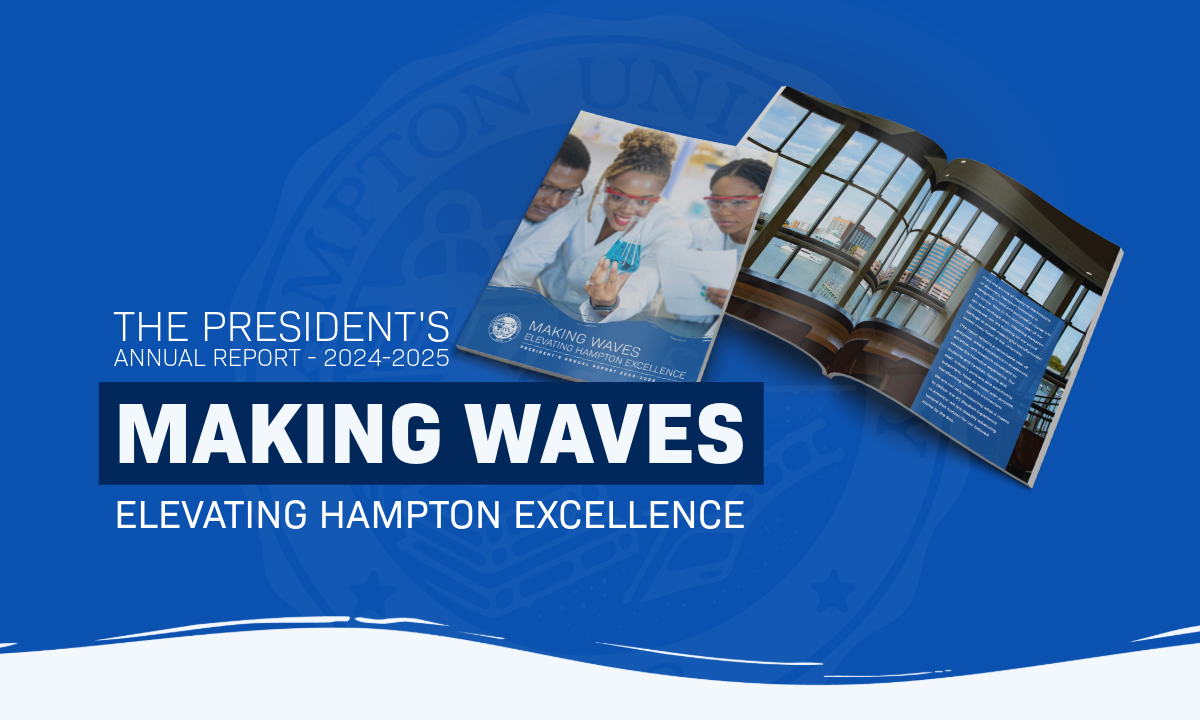
Hampton, VA (November 21, 2025) — Hampton University today released the 2024–2025 President’s Annual Report, a comprehensive account of a breakthrough year defined by research acceleration, academic strength, and expanding institutional impact. The publication captures a pivotal moment in Hampton’s trajectory as the University cements its position as one of the nation’s most dynamic emerging research institutions.
Under the leadership of President Darrell K. Williams, Hampton continues advancing its 10-year strategic plan, Elevating Hampton Excellence, delivering measurable progress in research productivity, enrollment growth, faculty development, and philanthropic investment.
Highlights from the 2024–2025 Annual Report
Hampton University’s ascent to Carnegie R2 research status, reflecting significant gains in research output, faculty-led discovery, and external funding.
A $530 million annual economic impact, proving Hampton’s role as a major economic engine for Hampton Roads and the Commonwealth.
Continued increases in student success indicators, including a steady and strategic rise in retention and graduation rates, driven by strengthened academic support, high-impact learning practices, and a redefined framework for belonging.
Expanding research portfolios across fusion energy, atmospheric and biological sciences, hypernuclear physics, molecular ecology, and additional disciplines where Hampton scholars are advancing national and global understanding.
Rising institutional rankings and recognitions, affirming Hampton’s momentum and national impact.
Sustained contributions as a cultural and economic anchor for Virginia’s coastal region.
“Each page of this year’s annual report showcased how our historic institution made waves in research, innovation, and record growth and achievement,” said President Williams.
“We’re not simply acknowledging what we’ve done; we’re advancing toward what’s ahead with purpose and resolve. Our legacy anchors us, but our vision is firmly set on the horizon.”
The digital edition of the 2024–2025 President’s Annual Report is available here. The University invites faculty, staff, students, alumni, families, and partners to explore the data, discoveries, and strategic priorities shaping Hampton’s next chapter.
ABOUT HAMPTON UNIVERSITY
Hampton University is a prestigious Carnegie R2-designated research institution, nationally acclaimed for pioneering work in atmospheric science, cancer treatment, and cybersecurity. With an annual economic impact of $530 million across the region and the Commonwealth of Virginia, Hampton stands as a powerful engine of innovation, workforce development, and inclusive economic growth.
Consistently recognized for academic excellence and transformative outcomes, Hampton was recently named one of the “Best Colleges in America” by Money Magazine and honored as the “Best Private College” by Coastal Virginia Magazine.
Founded in 1868, Hampton University is a proud, close-knit community of scholars, representing 44 states and 32 territories. With a legacy rooted in empowerment and education, the university is committed to nurturing intellectual curiosity, critical thinking, and global citizenship — preparing students to lead with purpose and integrity in an ever-changing world. Learn more at: www.hamptonu.edu
For media inquiries, please contact Richelle Payne in the Office of University Relations at 757-727-5253 or richelle.payne@hamptonu.edu.
HAMPTON, VA (November 21, 2025) — A powerful new chapter in leadership development is emerging at Hampton University with the launch of the Leadership Excellence Advancement and Development (LEAD) Initiative, a bold, research-focused effort designed to reshape how leaders are prepared, supported, and elevated across academia.
Funded by the Kenan Charitable Trust, Inc., this initiative represents a major investment in strengthening evidence-based leadership pathways at one of the nation’s most respected HBCUs.
Advancing Leadership in Higher Education
Built on evidence-based practices and informed by national data, the LEAD Initiative tackles a critical gap in higher education: the persistent underrepresentation of diverse voices in influential roles. Hampton, recognized as Virginia’s top-ranked HBCU for economic impact, is leveraging its strength to build a leadership model that reflects cultural relevance, academic rigor, and the lived experiences of the communities HBCUs were built to serve.
“Strong leadership grows from environments that recognize and nurture every voice,” said Hampton University Vice President for Research Dr. Neelam Azad. “LEAD strengthens our commitment to developing leaders who can influence change across institutions, industries, and communities.”
The initiative is guided by a collaborative leadership team led by Dr. Neelam Azad (PI), Vice President for Research, and Dr. Jessica Sullivan (Co-PI), Chair, Department of Communicative Sciences and Disorders, who oversee program design, research integration, assessment, reporting, and implementation. They are supported by Dr. Denise Charbonnet, Chair, Department of Education; Dr. Katina Ward-James, Director, HU Global; and Program Manager Dr. Robyn Ayscue.
Together, this team advances the initiative’s signature components, from professional development and mentorship structures to student-centered leadership pathways and cross-generational networks, ensuring a unified, research-informed approach to cultivating strong leaders across the higher education landscape.
“The LEAD Initiative builds on Hampton’s legacy of cultivating leaders who reshape their fields,” said Azad. “Our approach grounds leadership development in culturally informed research while opening doors for meaningful growth.”
Through its emphasis on equity-driven leadership, the LEAD Initiative positions Hampton University as a national resource for institutions striving to build inclusive cultures. The program’s influence will extend across communities and industries, strengthening economic mobility, advancing innovation, and inspiring future generations.
Through its emphasis on research-driven leadership preparation and institutional collaboration, the LEAD Initiative positions Hampton University as a national resource for strengthening leadership capacity across colleges, universities, and related sectors. Its impact will extend beyond campus—shaping communities, advancing innovation, and inspiring future generations of leaders.
ABOUT HAMPTON UNIVERSITY
Hampton University is a prestigious Carnegie R2-designated research institution, nationally acclaimed for pioneering work in atmospheric science, cancer treatment, and cybersecurity. With an annual economic impact of $530 million across the region and the Commonwealth of Virginia, Hampton stands as a powerful engine of innovation, workforce development, and inclusive economic growth.
Consistently recognized for academic excellence and transformative outcomes, Hampton was recently named one of the “Best Colleges in America” by Money Magazine and honored as the “Best Private College” by Coastal Virginia Magazine.
Founded in 1868, Hampton University is a proud, close-knit community of scholars, representing 44 states and 32 territories. With a legacy rooted in empowerment and education, the university is committed to nurturing intellectual curiosity, critical thinking, and global citizenship — preparing students to lead with purpose and integrity in an ever-changing world. Learn more at: www.hamptonu.edu
For media inquiries, please contact Mahogany Waldon in the Office of University Relations at universityrelations@hamptonu.edu.
Private HBCU thrives with data-informed strategy, mission-driven leadership, and a renewed focus on excellence through access
HAMPTON, Va. (November 19, 2025) — In an era when many colleges face shrinking applicant pools and rising skepticism about the value of higher education, Hampton University is achieving the opposite: record enrollment, rising retention, and renewed national attention.
Since 2022, the private, historically Black institution has achieved a 44% increase in undergraduate enrollment and a 46% overall surge, one of the most significant growth trends among private HBCUs nationwide.
While national enrollment across U.S. colleges has inched upward by only 2–3% in recent years, Hampton’s gains far outpace the average and have propelled the university to its highest enrollment in more than a decade, rising from approximately 3,300 students in 2016 to over 4,600 in 2025. Specifically, the increases in the last three years point to compelling successes. Over the last three years, overall enrollment increased by 44%, rising from 3,264 students in 2022 to 4,686 in 2025.
Retention tells an equally compelling story. Hampton maintains a 93% fall-to-spring retention rate, 96% among freshmen and 94% among continuing students, and an 84% spring-to-fall rate, reflecting strong student connection, satisfaction, and continuity.
Not only are students choosing Hampton; they are staying, thriving, and completing their degrees.
A General’s Vision for Hampton’s Future
When President Williams assumed the presidency, he recognized that the future of higher education was shifting beneath the feet of institutions across the nation. A proud Hampton alumnus from the Class of 1983, he returned to his alma mater in 2022 drawing on more than three decades of experience leading complex organizations through change. He brought a disciplined, mission-driven framework and the belief that “standing still is never a strategy.” With precision, purpose, and people working in lockstep, he introduced a strategic plan that provided the clarity and direction needed to navigate a rapidly evolving landscape.
His leadership has shaped the university’s resurgence, guiding Hampton into a new era defined by data-informed strategy, coordinated execution, and a renewed commitment to excellence through access. “Our growth is intentional and directly tied to our strategic plan,” said Williams. “It reflects a university that honors its legacy while embracing the future, one student, one family, one community at a time.”
That renewed clarity of purpose, grounded by the board-approved “Elevating Hampton Excellence” strategic plan, has been translated into measurable progress across every corner of the institution. From the student experience to academic innovation, from workforce development to community impact, Hampton is advancing with intention, and with unmistakable momentum.
A Shifting Landscape, A Coordinated Response
The 2023 Supreme Court decision ending race-based admissions reshaped how colleges across the country attract and evaluate students. For Hampton, it became a catalyst for innovation.
Rather than relying on historical recruitment models, Hampton launched a comprehensive and coordinated admissions strategy that reimagined how it connects with students and families, prioritizing technical acumen, leadership potential, and community engagement as key indicators of success.
“We’ve never needed policy to define our purpose,” said Dr. Barbara Inman, vice president for Student Success and Enrollment Management. “Our approach has always been to find promise and surround it with support. What’s different now is the precision; we’re using data, relationships, and humanity in equal measure.”
A Steady Climb: From Stability to Momentum
Hampton’s climb has been both steady and strategic.
Guided by the mantra of delivering the #1 student experience in America, the university saw a 10% increase from 2022 as digital recruitment tools and high-touch outreach began to take hold. By 2024, enrollment surpassed 4,200 students, a 16% increase, marking consecutive years of record-breaking growth.
“This is not a spike; it’s a sustained trajectory,” said Angela Boyd, assistant vice president for Enrollment Management and dean of Admission. “We’ve built a recruitment ecosystem where admissions, student success, and alumni engagement operate in sync, and students and their parents can feel that cohesion the moment they arrive.”
High-Tech, High-Touch: A Modern Admissions Model
Hampton’s admissions team has built a playbook that combines predictive analytics with personalized engagement.
Recruitment efforts now include data-informed outreach, early partnerships with high schools and community colleges, and campus events such as High School Day, Honors Visitation Day, Admitted Students Day, and regional site visits that immerse families in the Hampton experience.
Alumni are also deeply involved, serving as trusted ambassadors at regional receptions, mentoring prospective students, and reinforcing the university’s message: Hampton is not just a college; it’s a community.
“Families make decisions based on trust,” Boyd said. “We’re showing them that Hampton delivers value through visibility, connection, and belonging.”
Belonging by Design: From Enrollment to Retention
Hampton’s strategy extends beyond recruitment; it’s about keeping students and helping them thrive.
The university’s “Belonging by Design” framework intentionally weaves community into every stage of the student journey. From pre-enrollment experiences to campus mentoring programs, the model reinforces Hampton’s belief that students stay where they feel they belong.
“We have redefined retention as a measure of belonging,” said Inman. “Every program, every touchpoint, every mentor connection is part of that design.”
Climate survey data illustrates why retention is rising. Between 2022 and 2024, students reported meaningful gains in academic support, faculty accessibility, and overall campus connection. These improvements mirror the emotional and academic conditions that research shows are most strongly correlated with persistence. At Hampton, the connection is direct: as student satisfaction climbs, so do retention rates.
The data validates this approach. Hampton’s six-year graduation rate rose from 54% to 64% between 2022 and 2025, even as national retention averages plateaued.
“Listening to students isn’t just part of our process; it’s part of our identity,” added Inman. “We measure what matters: experience, belonging, and results.”
Programs That Build Purpose
Hampton’s vibrant campus life is powered by 100 or more student organizations and programs that help students find community, develop confidence, and shape their identity. These include a wide range of pre-professional and academic clubs, fraternities and sororities rooted in service and scholarship, the William R. Harvey Leadership Institute, and the highly competitive Greer Dawson Wilson Student Leadership Development Program, which has long stood as a cornerstone of leadership training at Hampton.
Yet beyond this rich ecosystem, two hallmark initiatives most powerfully underscore the university’s focus on student identity, leadership, and purpose:
The Hampton Male Initiative (HMI) provides academic and social support for male undergraduates, emphasizing mentoring, leadership development, and professional readiness. This intentional engagement has contributed to a noticeable increase in male enrollment over the past three years, from 28% to 33%, reflecting growing interest and confidence in Hampton’s ability to support and empower male scholars.
InspireHer: The Hampton Women’s Initiative, championed by First Lady Myra Williams ’83, empowers women through networking, career readiness programming, and leadership workshops designed to cultivate confidence, clarity, and community.
“These programs translate our values into outcomes,” said Inman. “They position students to feel seen and supported. Our data show that when belonging is intentional, achievement follows.”
Academic and Campus Transformation
Hampton’s enrollment growth has been matched by a surge in campus investment and academic renewal. Over the past two years, the university has initiated or completed more than 20 major projects, each designed to enhance student experience and align with emerging workforce needs.
Highlights include:
More than 20 renovated residence halls and classrooms, including simulation labs and upgraded study spaces.
New academic programs in Artificial Intelligence, Engineering, Environmental Science, and Aviation Management (Uncrewed Aerial Systems).
Dining transformations including the reopening of The Grill, the beloved student gathering spot; the addition of the Milk & Honey restaurant franchise, and the introduction of robotic food delivery.
Infrastructure improvements across academic, athletic, and student-life facilities.
“These projects represent both progress and purpose,” said Williams. “We’re investing not just in buildings, but in experiences that prepare students to compete, lead, and serve.”
Research Rising: The Power of R2
In 2024, Hampton achieved a historic milestone, earning the Carnegie R2 Classification for high research activity, making it the only private university in Virginia with that distinction.
The designation reflects Hampton’s expanding investment in STEM, health sciences, environmental studies, and cybersecurity, and it opens new opportunities for funding and collaboration.
“Research 2 status isn’t the destination; it’s the foundation,” said Dr. Betty Stewart, executive vice president and provost. “It validates our research excellence and creates pathways for our faculty and students to influence national conversations in science, innovation, and equity.”
Pipeline Partnerships and Community Impact
As a regional anchor and national leader, Hampton continues to expand its reach through purpose-driven partnerships.
The university is revitalizing its School of Pharmacy to address the Hampton Roads pharmacy desert, strengthening access to healthcare education and community wellness. Meanwhile, the Hampton University Proton Cancer Institute, one of the early and only such centers owned by an HBCU, is pioneering research in proton therapy, radiation science, and early detection.
“We’re building pathways, not just programs,” said Stewart. “Every academic and research initiative at Hampton is designed to connect talent with purpose, and that’s what makes our model competitive and enduring.”
Extending the Mission Beyond Campus: The Enterprise Expands to Include Workforce Development
That commitment to connecting talent with purpose extends well beyond Hampton’s student body. In response to the region’s evolving economic landscape, the university has broadened its enterprise to include a robust Workforce Development initiative, one that strengthens Hampton’s role as an anchor institution for the community and the Commonwealth.
The Workforce Development Enterprise operates outside the student and baccalaureate experience, serving instead as a cornerstone of the university’s community engagement efforts. Through its programs, Hampton addresses the credentialing needs of the region, providing pathways that elevate the preparedness and competitiveness of the Hampton Roads workforce.
“Our responsibility extends beyond our campus,” said President Darrell K. Williams. “Workforce development allows us to serve the broader community with the same intentionality we give our students. When we strengthen the region’s talent pipeline, we strengthen the future of Hampton Roads.”
A National Model for the Future
As other institutions search for ways to adapt post–affirmative action, Hampton’s example offers a clear and proven blueprint: mission-aligned strategy, human-centered technology, and belonging as a driver of academic outcomes. Every key indicator is moving upward: enrollment, retention, visibility, and engagement.
“We are proud of the momentum, but we are even more proud of what it means,” said Williams. “Hampton is expanding opportunities for students who will lead in science, business, technology, and service. Our mission is bigger than growth; it’s about impact.”
The Hampton Value Proposition: Higher Education That Means More
In a national climate where the value of higher education is increasingly scrutinized, Hampton’s story cuts through with clarity. It demonstrates that when strategy meets heart, and data meets belonging, growth becomes sustainable, and meaningful.
“At Hampton, students don’t just earn degrees; they discover direction,” said Stewart. “We prepare them not only to compete, but to contribute.”
As the Class of 2029 nears the end of their first semester, drawn from 42 states and 12 countries, Hampton stands as a blueprint for what higher education can still achieve: a place where legacy meets innovation, where investment meets purpose, and where belonging fuels excellence.
Professor Brarailty “Rel” Dowdell is leading a cinematic vanguard while defining Hampton’s place in entertainment and the study of film.
A Creative Calling Rooted in Early Inspiration Professor Brarailty “Rel” Dowdell, Director of Hampton University’s Film Studies Program, discovered his passion for storytelling in the heart of Philadelphia. Growing up in the bustling City of Brotherhood, Dowdell would often spend his time visiting theatres as well as watching countless VHS tapes and laserdiscs, becoming immersed in the onscreen dynamics of actors and actresses of color – often in ways he hadn’t seen before.
As a young viewer encountering classic films like Cooley High and The Learning Tree, he saw Black stories portrayed with depth, cultural responsibility, and deep emotional range. Those films revealed the power of narrative to affirm identity and broaden perspective, inspiring him to pursue filmmaking as a lifelong calling.
Dowdell went on to create his debut feature, Train Ride, a movie that stands as a defining contribution to African American cinema and HBCU history. The film, which was recently recognized by Essence Magazine as one of the greatest HBCU films produced, required emotional resilience from the cast and crew alike. It also gave first leading role opportunities to now acclaimed veteran actors Wood Harris and Russell Hornsby.
Additionally, the movie was MC Lyte’s first major dramatic role and the final performance of the iconic Esther Rolle. Despite undergoing dialysis, Rolle traveled to Philadelphia to portray the Dean of Students, bringing her signature strength and grace to the production. Dowdell dedicated the film to her memory, honoring her legacy and the commitment she showed to the project.
“Train Ride taught me that every narrative is an opportunity to interrogate society,” said Dowdell.
“As a filmmaker and an academic, I’m committed to helping students analyze the world with both rigor and empathy while honoring those that came before us. The film’s themes continue to inform my research on justice, culture, and the power of narrative to shift perspectives.”
The Storytelling Power of HBCUs Dowdell often emphasizes that HBCUs hold an unparalleled archive of lived experience. Their histories, challenges, triumphs, and cultural richness offer limitless opportunities for authentic storytelling.
He believes that any film grounded in the HBCU environment must carry intention and a strong moral voice, reflecting the communities that shaped it. To him, these campuses offer narratives that are not only artistically compelling but historically essential.
HBCUs are not only epicenters of academic rigor but are also spaces where creatives can draw inspiration. Dowdell encourages students to allow their surroundings to stimulate their work.
“A casual stroll across one of our historic and picturesque campuses can lead to a resonant story that can last a lifetime,” remarked Dowdell.
“The key is to make sure that the narrative has a moral compass or lesson that needs to be heard and subsequently heeded.”
Countless HBCU stories have redefined filmmaking. From Spike Lee’s School Daze to Drumline, Stomp the Yard, Train Ride, and others, filmmakers have challenged and shaped the perspective of Black colleges and universities through the lens of a camera.
A Modern, Expanding Film Program at Hampton University Hampton University stands among a select group of HBCUs offering bachelor’s degrees in film. With the new offering of a B.A. in Film Studies, Hampton continues to elevate its academic and creative infrastructure to meet industry expectations.
The alignment of support from President Darrell K. Williams, School of Liberal Arts and Education Dean Dr. Linda Malone-Colon, and other university peers has strengthened the program’s foundation, ensuring students are working with modern equipment, relevant instruction, and access to practitioners who define excellence in the field.
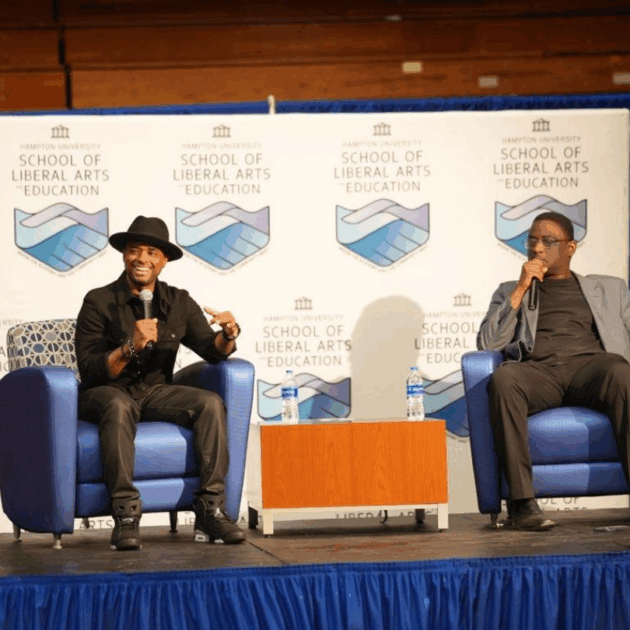
Guest engagements include Ving Rhames, Keith David, Larenz Tate, Roger Guenveur Smith, and the late Tony Todd—providing students with rare, candid exposure to the realities of the industry.
Cultivating the Next Generation of Filmmakers Dowdell describes filmmaking as a journey that requires vision, stamina, and a deep sense of purpose. He’s proud of the students who chose this path, noting that Hampton filmmakers have gone on to top graduate programs, major studio productions, and independent film ventures. He encourages his students to commit to work they believe in and to understand the emotional and intellectual responsibility that comes with shaping stories for broad audiences. There is now a noteworthy and resourceful Student Film Organization whose membership has grown exponentially every year.
Dowdell has experienced firsthand the evolution of filmmaking, from large analog equipment when he first began his career, to the nimble tools available today. As technological advances in scripting, storyboarding, editing, and marketing continue to shift the landscape of cinema, Dowdell prefers a more traditional approach to filmmaking. He believes the core of filmmaking must remain rooted in human experience, cultural truth, and personal narrative. Technology, in his view, should enhance the work—not define it.
“Back when I was in graduate film school, we made films with big, bulky cameras and cut the films on large editing beds called Steenbecks,” said Dowdell.
“It was often a cumbersome experience. Since graduate film school is so expensive, you make the best of it. However, today, you can make a very competent entire film on your cell phone. That’s quintessential evolution for real!”
“I’m not against AI, but it should be used ethically to tell stories and while our students are learning how to use those tools, a great story truly comes from the heart of a human whose emotions illuminate on every single page.”
A Vision Anchored in Humanity and Purpose Dowdell’s creative motivation continues to come from observation, connection, and a desire to create work that resonates across time. Under his leadership, Hampton University’s Film Studies Program merges tradition with innovation, preparing students to lead with intention and artistic integrity.
As the film industry continues to evolve, Hampton remains committed to elevating stories that reflect the fullness of the African American experience and advancing a new generation of filmmakers who are ready to shape the future of storytelling.
An impactful day of activities is slated to empower students through career pathways and innovation.
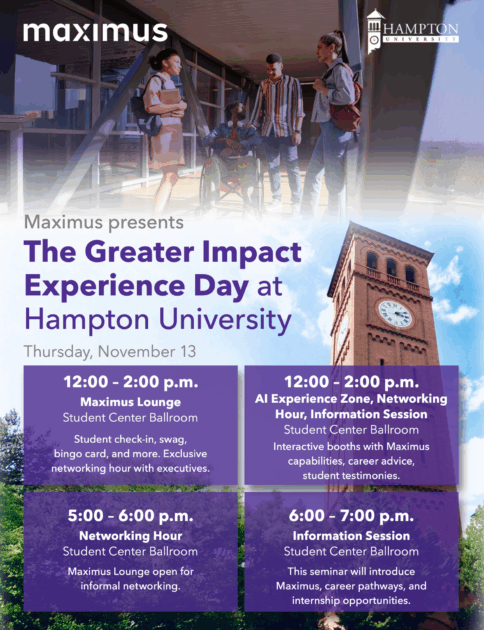
HAMPTON, VA. — Hampton University proudly announces The Greater Impact Experience Day, a transformative campus engagement event taking place on November 13, 2025, designed to connect students with Maximus, a global leader in digital transformation and public service solutions. The event will introduce students to emerging career pathways, AI-driven innovation, and the many opportunities available within the evolving technology and public service sectors.
Taking place in the University’s Student Center from 12-7 p.m., The Greater Impact Experience Day will feature an engaging Maximus Lounge, AI Experience Zone, and Career Labs—all immersive spaces where students will explore cutting-edge technologies, engage with industry executives, and gain career insight directly aligned with their fields of study.
“This partnership with Maximus reflects Hampton University’s enduring commitment to providing our students with the #1 Student Experience by giving our community access to global industries and transformative professional experiences,” said University Executive Vice President & Provost, Dr. Betty Stewart.
“Through initiatives like The Greater Impact Experience Day, we continue to prepare our students to lead with purpose, innovation, and service.”
Echoing that sentiment, Derrick Pledger, Chief Digital Information Officer, Maximus said: “Corporate and higher-education partnerships are essential to bridging the gap between academic learning and real-world application, especially in rapidly evolving fields like AI. Maximus is proud to partner with Hampton University to nurture and prepare tomorrow’s innovators. We’re thrilled to visit campus and share insights, listen, and explore ways we can work together to shape the future of technology and public service.”
From hands-on AI demonstrations to leadership networking sessions, the day will underscore Hampton’s commitment to experiential learning and corporate partnerships that support long-term student success.
Hampton University is also actively engaged in increasing its AI offerings through degree programs including a new Bachelor of Science in Artificial Intelligence, an AI lounge set to open in the University’s Student Center, and several University faculty members serve on statewide and national boards and committees geared to establishing ethical standards in artificial intelligence. The University’s Department of Information Technology is also helping to bridge the gap between the school’s tech and AI capabilities by incorporating AI into new systems, processes, and procedures.
Dr. Taviare Hawkins, Dean of the School of Science, highlighted the event’s academic impact: “This opportunity gives our students a front-row seat to technology in action. By bridging science, tech, and social responsibility, The Greater Impact Experience Day affirms our mission to equip our students with the tools to excel in today’s most dynamic career fields.”
The event will conclude with a formal Information Session focused on Maximus career pathways and internship opportunities, reinforcing Hampton University’s ongoing mission to educate and inspire leaders who will make a lasting impact across industries and communities.
ABOUT HAMPTON UNIVERSITY
Hampton University is a prestigious Carnegie R2-designated research institution, nationally acclaimed for pioneering work in atmospheric science, cancer treatment, and cybersecurity. With an annual economic impact of $530 million across the region and the Commonwealth of Virginia, Hampton stands as a powerful engine of innovation, workforce development, and inclusive economic growth.
Consistently recognized for academic excellence and transformative outcomes, Hampton was recently named one of the “Best Colleges in America” by Money Magazine and honored as the “Best Private College” by Coastal Virginia Magazine.
Founded in 1868, Hampton University is a proud, close-knit community of scholars, representing 44 states and 32 territories. With a legacy rooted in empowerment and education, the university is committed to nurturing intellectual curiosity, critical thinking, and global citizenship — preparing students to lead with purpose and integrity in an ever-changing world. Learn more at: www.hamptonu.edu
For media inquiries, please contact Mahogany Wladon in the Office of University Relations at 757-727-5987 or Mahogany.Waldon@hamptonu.edu
Three-day performance event to inspire the next generation of musicians, sessions geared towards high school students.
HAMPTON, VA (November 6, 2025) — Hampton University is proud to announce the inaugural Hampton University Jazz Performance Institute (HUJPI), a three-day educational and performance event will be held November 12–14, 2025, at Ogden Hall. Funded by the National Endowment for the Arts, HUJPI offers students and the community an exciting opportunity to explore the art of jazz through workshops, performances, and competitions led by world-class musicians.
Celebrating Jazz Education and Performance
The 2025 HUJPI will feature two internationally recognized jazz artists and educators — Derrick Gardner, Director of Jazz Studies at Northwestern University and Hampton University alumnus, and Vincent Gardner, trombonist with Jazz at Lincoln Center and Artistic and Education Director of Jazz Houston.
“The Jazz Performance Institute represents the perfect blend of artistry, education, and musical legacy that defines our institution,” said School of Liberal Arts & Education Dean Linda Malone-Colon. “By hosting the Gardner Brothers, one of whom is a distinguished alumnus, we’re reaffirming our commitment to cultivating cultural excellence and inspiring the next generation of musicians to lead with passion, creativity, and purpose.”
“This initiative reflects Hampton’s unwavering commitment to developing technically skilled, culturally grounded musicians,” said Dr. Demarr Woods, Chair of the Department of Music and Performing Arts. “Jazz is a living tradition that calls students to discipline, innovation, and soul. With the Gardner Brothers guiding this experience, students will gain both the technical breadth and artistic depth needed to carry this music forward in meaningful ways.”
Throughout the three-day event, the Gardner Brothers will lead masterclasses, improvisation workshops, and panel discussions on the music industry. They will also serve as adjudicators for the High School Jazz Band Competition, which will highlight six talented ensembles from across the nation. Each band will perform three selections and receive a rating of either “Superior” or “Excellent,” along with professional feedback and a participation trophy.
The event will conclude with a ticketed full concert on Friday, November 14, at 6 p.m. in Ogden Hall. Tickets may be purchased here.
Opportunities for Young Musicians
In addition to live performances, students will participate in sessions on jazz composition, improvisation, and music business practices. Optional auditions for Hampton University music program scholarships will also be available throughout the event.
About the Hampton University Jazz Performance Institute
The Hampton University Jazz Performance Institute (HUJPI) provides an immersive experience for high school and university-level musicians to learn jazz performance, history, and composition from leading jazz educators. The event promotes collaboration among young artists and celebrates the enduring legacy of jazz at one of the nation’s finest historically Black universities.
Hampton University: A National Leader in Research, Innovation, and Opportunity
Hampton University is a prestigious Carnegie R2-designated research institution, nationally acclaimed for its pioneering work in atmospheric science, cancer treatment, and aerospace. With an annual economic impact of $530 million across the region and the Commonwealth of Virginia, Hampton stands as a powerful engine of innovation, workforce development, and inclusive economic growth.
Consistently recognized for academic excellence and transformative outcomes, Hampton ranks in the Top 10 HBCUs by U.S. News & World Report, was recently named one of the “Best Colleges in America” by Money magazine, and honored as the “Best Private College” by Coastal Virginia Magazine.
Founded in 1868, Hampton University is a proud, close-knit, vibrant community of scholars, representing nearly every 44 states and 32 territories. With a legacy rooted in empowerment and education, the university is committed dedicated to fostering intellectual curiosity, critical thinking, and global citizenship, preparing students to lead with purpose and integrity in a rapidly evolving world. Learn more at: www.hamptonu.edu.
For media inquiries, please contact Mahogany Waldon in the Office of University Relations at 757-727-5987 or mahogany.waldon@hamptonu.edu
Industry leaders commit up to $120 million through MOU with Virginia Innovation Partnership Corp. (VIPC) to grow Life Sciences talent in collaboration with Virginia universities and community colleges
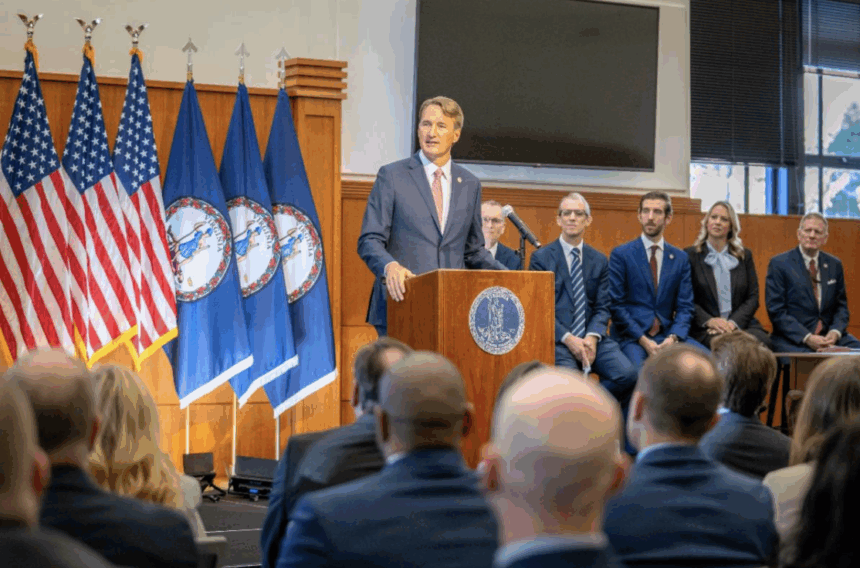
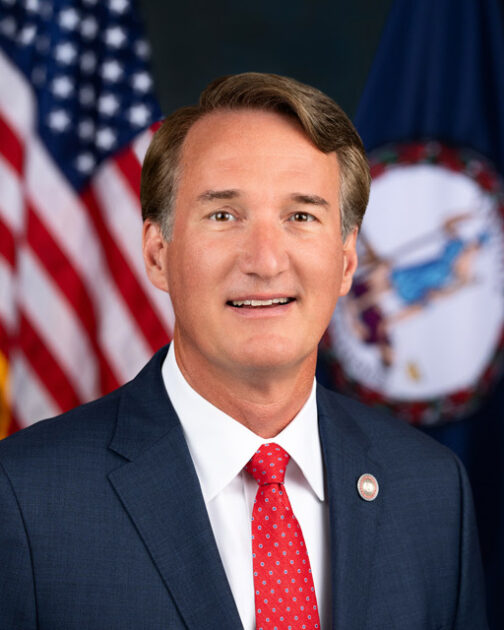
RICHMOND, VA — Governor Glenn Youngkin announced a landmark partnership with AstraZeneca, Eli Lilly and Company, and Merck that commits up to $120 million of private industry investment toward developing the Virginia Center for Advanced Pharmaceutical Manufacturing. This builds on over $12.5 billion in recently announced capital investment from the Life Sciences sector, committing to create thousands of jobs in the Commonwealth.
AstraZeneca, Lilly, and Merck have entered into a Memorandum of Understanding with the Commonwealth of Virginia, Virginia Innovation Partnership Corporation (VIPC), and Virginia educational institutions Hampton University (HU), James Madison University (JMU), University of Virginia (UVA), Virginia Commonwealth University (VCU), Virginia Polytechnic Institute and State University (VT), and the Virginia Community College System (VCCS) to unleash talent and innovation by developing the Virginia Center for Advanced Pharmaceutical Manufacturing. The Virginia Center for APM will be a neutral, industry-led workforce training and education center network spanning the Richmond-Petersburg-Charlottesville Central Virginia region – a U.S. EDA designated Technology and Innovation Hub for Advanced Pharmaceutical Manufacturing.
“Virginia is again leading the way as the top state for talent, education, and innovation as a national leader in biopharmaceutical and life sciences advanced manufacturing. Made in America means Made in Virginia. With the Virginia Center for Advanced Pharmaceutical Manufacturing, that will produce 2000-2500 highly-trained professionals each year, we are delivering a world-class workforce engine that’s built for growth and driven by industry. The Virginia Center for Advanced Pharmaceutical Manufacturing will continue to fuel Virginia’s business renaissance while fortifying America’s national security and critical supply chains. Thank you to our industry partners and higher education institutions for locking arms with us as we continue to move the Commonwealth forward together,” said Governor Glenn Youngkin.
Building a robust talent engine will expand Virginia’s life science and biopharma ecosystem by delivering an industry-aligned and demand-driven skilled workforce that meets employer needs and offers opportunities for all Virginians. Through collaboration with Virginia community colleges, other higher education institutions, and innovation ecosystem partners, students and trainees will be able to progress from micro-credentials to certifications and degrees via hands-on classroom, lab, and Good Manufacturing Practice (GMP) simulated training. Apprenticeships, internships, and employer projects will be activated and expanded from existing and new Virginia programs so students can enter at a technician level and advance through associate, bachelor’s, master’s, or Ph.D. programs.
“Virginia is building a world-class training hub for advanced pharmaceutical manufacturing and AstraZeneca is proud to help power it. This partnership will unlock a diverse pipeline of highly skilled talent, strengthen U.S. supply chains, and accelerate the delivery of innovative medicines to patients. By working with Virginia’s leading universities and community colleges, we’re creating clear pathways from classroom to career while also advancing health for patients across America,” said AstraZeneca Chief Executive Officer Pascal Soriot.
“Our investment in this innovative, industry-led training initiative reflects our commitment to the Commonwealth and the future of advanced manufacturing. By developing a highly skilled workforce, we will strengthen America’s medicines supply chain and create high-quality jobs in Virginia. As we prepare to break ground in Goochland County, we’re investing in people as much as in state-of-the-art infrastructure—building the skills and reliability needed to deliver breakthrough medicines for patients across the U.S. and around the world,” said David A. Ricks, Lilly chair and CEO.
“Merck has had a home in Virginia for nearly 85 years, and our Elkton site is a cornerstone of U.S. pharmaceutical manufacturing and talent development. Our hands‑on training center—with full‑scale simulated operations—proves industry and educators can prepare people for high‑quality jobs on day one. This Memorandum of Understanding builds and expands on what we know to be successful. The new industry‑led national training center in the Richmond–Charlottesville corridor will scale what works, strengthen Virginia’s talent pipeline, and help ensure patients benefit from a resilient, world‑class manufacturing ecosystem,” said Robert M. Davis, Merck chairman and chief executive officer.
“On the heels of $12.5 billion in announced investments in Virginia to bring back American manufacturing, we are further partnering with the private sector to create an unparalleled workforce development hub that will offer new opportunities for Virginians and local communities,” said Virginia Secretary of Commerce & Trade Juan Pablo Segura.
“Creating a world-class talent development system that is aligned to the skills and knowledge required by the life sciences sector is critical to Virginia’s vibrant economy. This partnership between some of the world’s most innovative companies and Virginia’s state-of-the-art research universities and nimble and dynamic community colleges will advance both R&D and a regional workforce prepared to fuel future discovery and growth,” said Virginia Secretary of Education Aimee Guidera.
“This collaboration will produce new opportunities for innovative apprenticeships to give Virginians access to cutting-edge technology, processes and procedures that will set them apart. This stands as one more tool in the toolbelt to ensure Virginians have the expertise and experience to deliver in the most demanding of industries on day one,” said Secretary of Labor G. Bryan Slater.
“Workforce talent is an essential ingredient in cultivating a thriving innovation ecosystem. VIPC is thrilled to collaborate with industry leaders like AstraZeneca, Lilly, Merck and ecosystem partners like the Alliance for Building Better Medicine to grow talent and innovation throughout Virginia’s Life Sciences and Advanced Pharmaceutical Manufacturing ecosystem,” said Chief Executive Officer of the Virginia Innovation Partnership Corporation Joe Benevento.
A one-page summary highlighting today’s MOU signing can be found here.
###
This release is courtesy of the Office of the Governor. Peter Finocchio, Peter.finocchio@governor.virginia.gov
Hampton, Va.(October 31, 2025) — Hampton University announces the appointment of Scott Challener, Ph.D., as Dean of the Graduate College, marking a significant investment in the University’s commitment to expanding graduate education, strengthening research capacity, and preparing leaders for a global economy. Dr. Challener, who joined Hampton in 2021, brings a record of innovative program development, faculty collaboration, and student advocacy.
“Graduate education at Hampton is rooted in advocacy, support, and opportunity,” said Dr. Challener. “This year will be defined by collaboration across campus to strengthen the graduate experience, expand student support services, and build pathways for postgraduate success.”
Strategic Vision for the Future
Dr. Challener earned his Ph.D. in Literatures in English from Rutgers University; M.A. in Spanish from Middlebury College; M.F.A. in Poetry from Warren Wilson College; and B.A. in English, Religion, and Classics from the University of Rochester. Before joining Hampton, he served as Visiting Assistant Professor of English and American Studies at William & Mary.
Under Dr. Challener’s leadership, the Graduate College has already launched several strategic initiatives, including a Graduate Alumni Referral Program in partnership with Alumni Affairs and Advancement; a new Homecoming alumni mixer for graduate-level Pirates; and the development of a comprehensive resource platform to support graduate students with career services, financial aid, wellness, writing support, professional development, and financial literacy tools.
An Expanding Graduate Portfolio
Hampton will also introduce four new graduate programs this academic year, aligned with workforce demand and strategic priorities:
Master of Science in Engineering Entrepreneurship, in collaboration with Northeastern University and the University of Houston
Master of Science in Marine and Environmental Science
Accelerated Master of Science in Entrepreneurship and Innovation
Graduate Certificate in Sport Leadership, developed with Hampton Athletics
“These programs reflect where we’re headed — toward future-focused graduate education that pairs academic rigor with real-world application,” said Dr. Challener. He will also work closely with the Office of Advancement to expand graduate scholarships as Hampton prepares to launch its capital campaign.
Balancing Leadership and Impact through Scholarship
Dr. Challener maintains an active scholarly and creative footprint. His recent peer-reviewed chapter examining the relationship between social media, print culture, and poetry in Puerto Rican and Latinx diasporic communities appears in Expressive Networks: Poetry and Platform Cultures (Amherst College Press, June 2025), now available open-access. On November 1, he will debut a folio in Poetry magazine highlighting the work of renowned D.C. poet E. Ethelbert Miller — marking Miller’s first appearance in print in the nation’s leading poetry publication.
His forthcoming scholarly chapter, “Teaching the Mexican Revolution in the American Literature Survey,” will be published in Teaching the Mexican Revolution (MLA Options for Teaching, Spring 2026). His research interests include twentieth- and twenty-first-century U.S., Latinx, and Latin American fiction and poetry, hemispheric studies, modernism in English and Spanish, decolonial theory, and poetics.
“Graduate education at Hampton University fuels discovery, leadership, and service,” said Hampton University Executive Vice President and Provost Dr. Betty Stewart. “Dr. Challener exemplifies the intellectual rigor, vision, and dedication required to elevate our Graduate College. His commitment to scholarship, collaboration, and student success aligns with Hampton’s mission to prepare graduates who innovate with purpose and lead with character.”
ABOUT HAMPTON UNIVERSITY
Hampton University is a prestigious Carnegie R2-designated research institution, nationally acclaimed for pioneering work in atmospheric science, cancer treatment, and cybersecurity. With an annual economic impact of $530 million across the region and the Commonwealth of Virginia, Hampton stands as a powerful engine of innovation, workforce development, and inclusive economic growth.
Consistently recognized for academic excellence and transformative outcomes, Hampton was recently named one of the “Best Colleges in America” by Money Magazine and honored as the “Best Private College” by Coastal Virginia Magazine.
Founded in 1868, Hampton University is a proud, close-knit community of scholars, representing 44 states and 32 territories. With a legacy rooted in empowerment and education, the university is committed to nurturing intellectual curiosity, critical thinking, and global citizenship — preparing students to lead with purpose and integrity in an ever-changing world. Learn more at: www.hamptonu.edu
For media inquiries, please contact Richelle Payne in the Office of University Relations at 757-727-5253 or richelle.payne@hamptonu.edu.
New publication explores how artificial intelligence is reshaping theological inquiry and ministry, offering superlative insight into the future of faith and learning.
HAMPTON, Va. (Oct. 30, 2025) — In an era when technology is challenging nearly every facet of human understanding, one Hampton University scholar is asking what it means for faith. Rev. Dr. Debra Haggins, university chaplain and founding dean of the School of Religion, is redefining the conversation at the crossroads of faith and technology.
Her latest book, Advancing AI in Theological Education: A Transformative Opportunity — co-authored with Dr. B.J. Condrey — offers one of the first comprehensive explorations of artificial intelligence through a theological lens. The pioneering work delivers fresh, thought-provoking insights on how AI is reshaping inquiry, pedagogy and ministry. Bold and forward-thinking, the publication serves as a guide for scholars, educators and faith leaders navigating the rapidly evolving digital frontier of theology.
In Advancing AI in Theological Education, Haggins and Condrey push beyond traditional boundaries of theological scholarship, examining how faith-based institutions can responsibly engage emerging technologies. The book traces the historical relationship between Christianity and innovation, probes the ethical and spiritual challenges posed by AI, and introduces new frameworks for integrating technological literacy into theological formation.
“Artificial intelligence is not something to be feared — it’s a new frontier to be explored through the lens of faith,” Haggins said. “The church and the academy have a responsibility to engage this moment with wisdom, courage and discernment. This book invites readers to consider how technology can advance both theological education and the human spirit when guided by ethical and Christ-centered principles.”
Dr. Betty Stewart, executive vice president and provost of Hampton University, said the publication reflects Hampton’s expanding leadership in academic innovation and spiritual inquiry.
“Dr. Haggins’ work exemplifies Hampton University’s commitment to preparing students to meet the challenges of an evolving world,” Stewart said. “By bridging technology and theology, she not only expands academic discourse but also reaffirms Hampton’s role in shaping the ethical conversations that will define our future.”
The release of Advancing AI in Theological Education marks a significant contribution to the global dialogue between faith and technology. With its superlative scholarship and groundbreaking perspective, the book offers an indispensable resource for those exploring how artificial intelligence can enhance — rather than eclipse — the role of humanity in theological education. For more information, visit www.hamptonu.edu/sor
Hampton University: A National Leader in Research, Innovation, and Opportunity Hampton University is a prestigious Carnegie R2-designated research institution, nationally acclaimed for its pioneering work in atmospheric science, cancer treatment, and aerospace. With an annual economic impact of $530 million across the region and the Commonwealth of Virginia, Hampton stands as a powerful engine of innovation, workforce development, and inclusive economic growth.
Consistently recognized for academic excellence and transformative outcomes, Hampton ranks in the Top 10 HBCUs by U.S. News & World Report, was recently named one of the “Best Colleges in America” by Money magazine, and honored as the “Best Private College” by Coastal Virginia Magazine.
Founded in 1868, Hampton University is a proud, close-knit, vibrant community of scholars, representing nearly every 44 states and 32 territories. With a legacy rooted in empowerment and education, the university is committed dedicated to fostering intellectual curiosity, critical thinking, and global citizenship, preparing students to lead with purpose and integrity in a rapidly evolving world. Learn more, visit: https://home.hamptonu.edu/religion/
Rev. Dr. Debra Haggins is available for interviews and expert commentary on topics related to faith and technology, ethics in artificial intelligence, theological education, and spiritual leadership in the digital age.
For more information or to request an interview, contact Richelle Payne in the Office of University Relations at universityrelations@hamptonu.edu.
HAMPTON, VA (October 30, 2025) – The Freddye T. Davy Honors College at Hampton University kicked off Family Weekend with the induction of twenty University Scholars. The ceremony was held in the Cove ConferenceRoom in McGrew Towers on Thursday, September 25, at 7:00 p.m.
The university’s esteemed Executive Vice President and Provost Betty H. Stewart, Ph.D. was the keynote speaker. She spoke of her collegiate S.T.E.M. experience and praised the University Scholars for their exceptional achievements. Moreover, she encouraged the new inductees to maintain the standard of excellence academically and not neglect the social aspects of their collegiate experience.
University Scholars are the highest qualified merit scholars. These first-time freshmen are required to have a 3.5 unweighted GPA, and a minimum of 1000 SAT or a composite score of 22 on the ACT.
“Inviting the highest achieving incoming freshmen is vital to the Honors College. They are able to immediately join our community of high achievers and set the tempo for their classmates and others who seek membership in the spring the semester,” noted Honors College Director TaKeia N. Anthony, Ph.D.
University Scholars are the only freshmen eligible to receive the distinction of being inducted to the Freddye T. Davy Honors College during their fall semester.
The twenty University Scholars inducted were: James Arthurton; Sarah Baumann; Christian Bell; Riley Bell; Joshua Dancy; Andrew (Clifford) Eacholes; Nailah Echols; Sophia Edwards; Camden Ennis; Kaliyah Fulp; Xavier Heggie; Caden Jenkins; Imani Johnson; Zion Murphy; Lydia Murray; Maryam Muhammad; Nere Atunah-Jay; Elijah Plenty; Lauren Pugh; Kennedi Williams; Joshua Dancy.
Hampton University: A National Leader in Research, Innovation, and Opportunity
Hampton University is a prestigious Carnegie R2-designated research institution, nationally acclaimed for its pioneering work in atmospheric science, cancer treatment, and aerospace. With an annual economic impact of $530 million across the region and the Commonwealth of Virginia, Hampton stands as a powerful engine of innovation, workforce development, and inclusive economic growth.
Consistently recognized for academic excellence and transformative outcomes, Hampton ranks in the Top 10 HBCUs by U.S. News & World Report, was recently named one of the “Best Colleges in America” by Money magazine, and honored as the “Best Private College” by Coastal Virginia Magazine.
Founded in 1868, Hampton University is a proud, close-knit, vibrant community of scholars, representing nearly every 44 states and 32 territories. With a legacy rooted in empowerment and education, the university is committed dedicated to fostering intellectual curiosity, critical thinking, and global citizenship, preparing students to lead with purpose and integrity in a rapidly evolving world. Learn more at: www.hamptonu.edu
For media inquiries, please contact Richelle Payne in the Office of University Relations at universityrelations@hamptonu.edu.
Hampton University is aware of an incident involving representatives of an organization known as BLEXIT who attempted to access campus during Homecoming weekend without proper authorization. While the organization has suggested that their filming activity was “shut down,” that narrative is inaccurate. This was not a matter of suppression; it was a matter of safety, procedure, and fairness.
Hampton University is a private institution with clearly established processes for campus access, vendor participation, and media activity. The organization did not complete the required Homecoming vendor application or pay the associated fees. This procedural failure meant they were not approved to participate, consistent with University policy and communicated in advance to all applicants. Of the 36 applications submitted, 18 were approved; BLEXIT was among those that did not meet the stated requirements.
As a matter of public safety, Hampton must know who is on campus, why they are here, and how to contact them in case of an emergency. Vendors and guests following established procedures allow us to coordinate access and ensure that all participants are properly credentialed and protected. Without this step, we cannot extend the privileges of official guest status or guarantee safety protocols.
In the week leading up to Homecoming, vendors who did not meet deadlines were notified that walk-on participation would not be accommodated and that unauthorized individuals would be escorted off private property. These measures are designed to protect students, staff, and guests.
Hampton University operates with three priorities: to know every group on campus, to facilitate their participation in activities, and to protect the well-being of all involved. In today’s environment, that level of coordination is essential to maintaining safety and a frictionless experience for the nearly 15,000 people who attended Homecoming.
Hampton University welcomes organizations and speakers representing a variety of perspectives, provided they follow established protocols. BLEXIT failed to meet those standards.
Our foremost responsibility is the safety and well-being of our students, faculty, staff, and guests. Upholding University procedures ensures a secure, respectful, and welcoming environment for all who visit our Home by the Sea.