School of Science

Marine and Environmental Science

Exploring Water, Earth, and Life to Protect Our Changing Planet

This program integrates core concepts from biology, chemistry, physics, and mathematics to give students a deep, interdisciplinary understanding of marine and environmental systems. With close access to the Hampton River and Chesapeake Bay, students engage in immersive learning and research that prepares them to address today’s most pressing ecological challenges.

Degree Programs

Select a degree program to take a look at the curriculum, course requirements, and application process.

News Spotlight

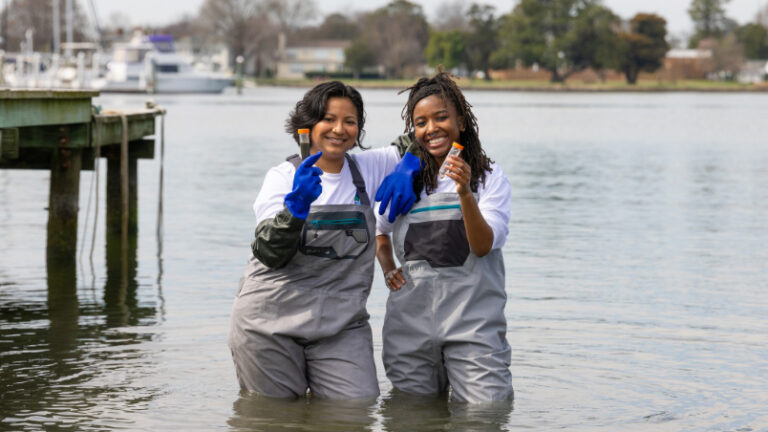
As more scholars of color enter and reshape the environmental sciences, Historically Black Colleges and Universities continue to serve as vital incubators of talent and leadership. At Hampton University, Marine...
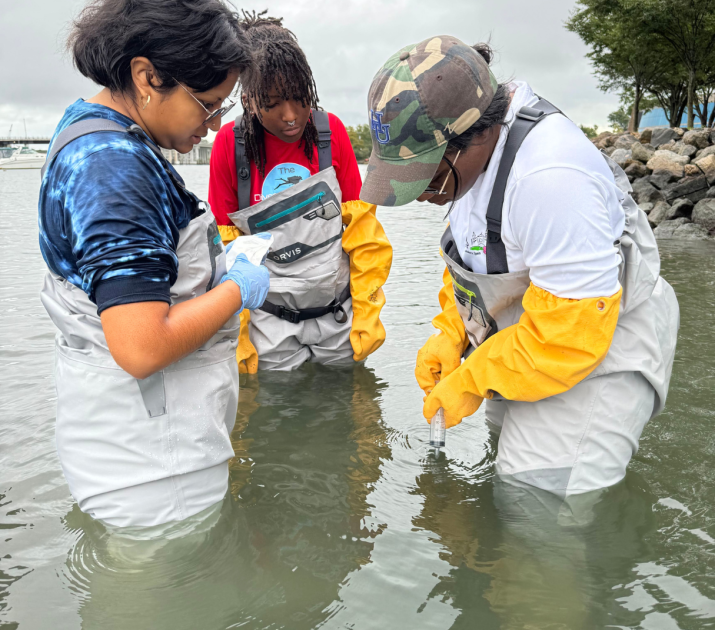
A photo of two students wearing waders standing in knee deep water while holding water samples collected in clear tubes.
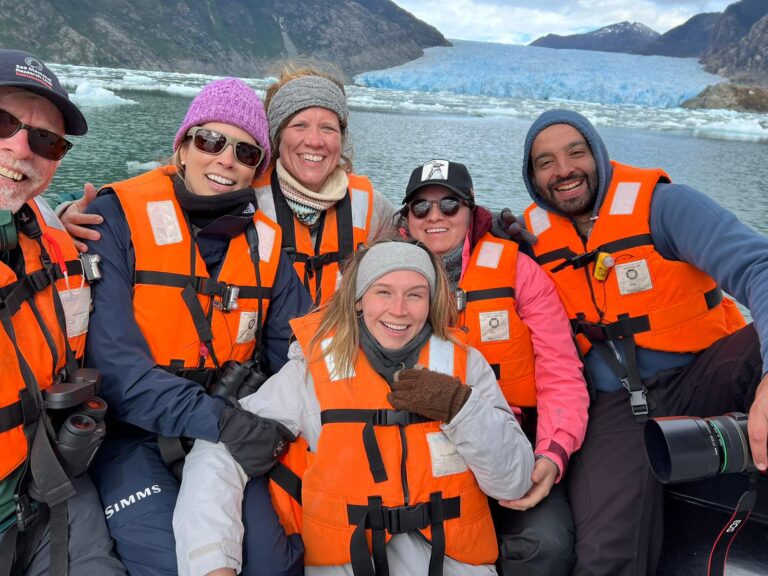
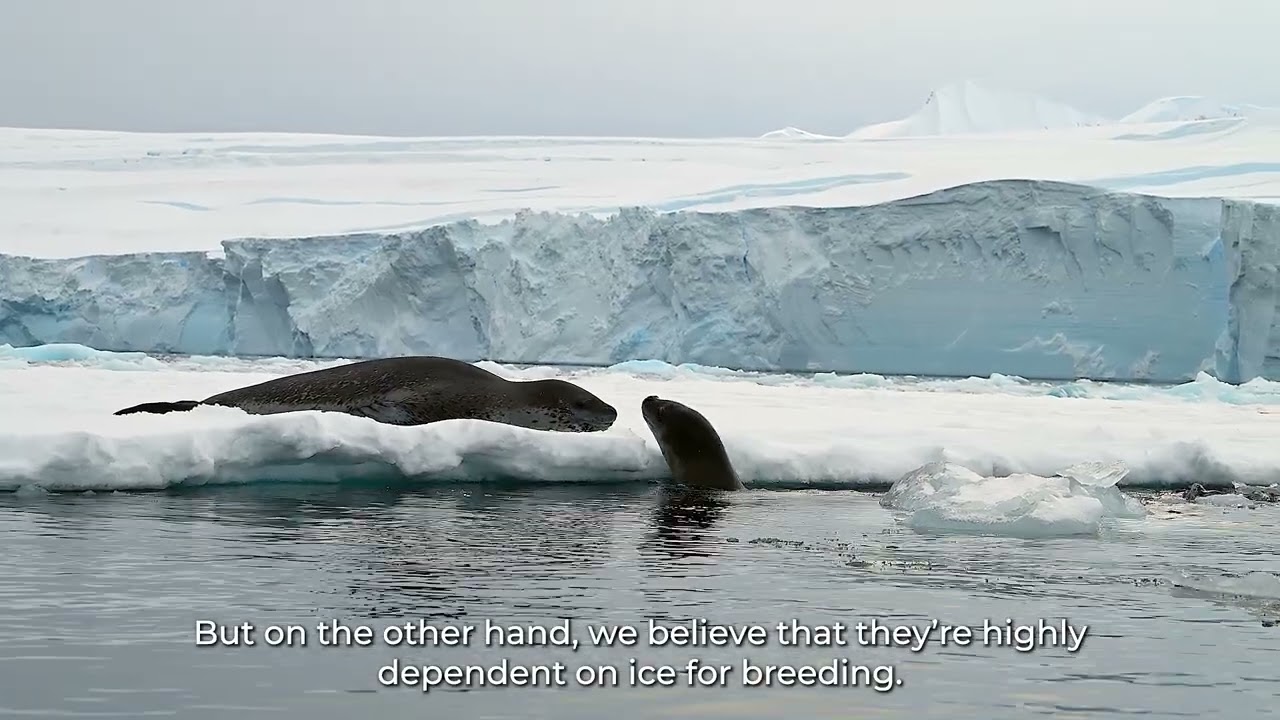
Cracking the Code of the Ice Hunter: University Research Group Unlocks the Genome of the Leopard Seal
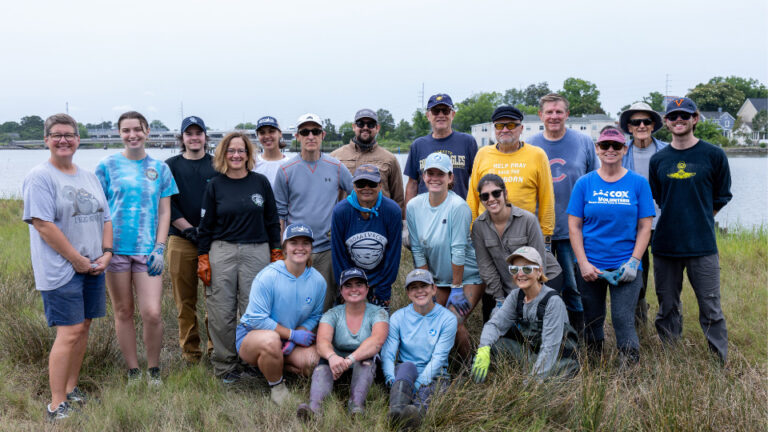
Students and faculty pose shoulder to shoulder on a grassy field with a river behind them.
Hands in the Water, Eyes on the Future: Hampton University Partners with Chesapeake Bay Foundation for Oyster Reef Restoration on World Environment Day

Driving Discovery Across Ocean, Climate, and Ecosystem Frontiers

Research in marine and environmental sciences is propelled by immersive, hands‑on exploration that uncovers the hidden dynamics shaping ocean, estuarine, and freshwater ecosystems.

Make Waves With Your Future

At Hampton University, the world becomes your living laboratory. From coastal research along the Chesapeake Bay to hands‑on environmental fieldwork, our Marine and Environmental Science department empowers you to dive deep, ask bold questions, and shape solutions for tomorrow’s world. If you’re ready to explore, discover, and lead—your journey starts here.

Frequently Asked Questions

For assistance with finding and applying for careers, you may visit Hampton University’s Career Center located in the Wigwam building located on Hampton’s campus, or visit www.marinecareers.net.

Contact the Marine & Environmental Sciences department for answers to additional questions.
The subject area courses most important in this curriculum are Biology, Chemistry, Math and English. It is also important to have computer skills. We encourage you to obtain first hand experience in marine biology and research by doing activities such as: science fair projects, visiting the ocean, enrolling in summer marine studies camps, volunteering at an aquarium, or even learning marine skills such as small boat handling or scuba diving.
Math is very important. It is the “language of science”. This curriculum requires two semesters of Pre- calculus and one semester of calculus. To enroll in the calculus course, you must have completed geometry, trigonometry and algebra. Your knowledge in these areas will be tested through a placement examination administered by the Department of Mathematics. Some ‘remedial’ math classes are offered here at HU, others are available at the community colleges.
Yes, much of the cutting edge research in biology now is based on processes you need to understand at the cellular and molecular levels. The BS Marine Science curriculum requires that you complete several Biology courses such as organic chemistry, Ecology, Botany as well as General Chemistry and Qualitative Analysis. The Department of Chemistry administers a placement examination prior to enrollment to evaluate the adequacy of your pre-HU chemistry studies.
First, take a look at the first two years of the curriculum for this degree. You will need to catch up, either at the college where you are currently enrolled or by transferring to a Hampton University campus. The latter option would insure the transferability of your coursework and put you in position to learn more about the ocean through field trips and activities associated with your introductory courses. You may even be able to secure marine-related student employment.

The university will decide this after you are admitted. For more information, visit the admissions site Hampton University official policy on transfers. It could help to bring along your college’s catalog of course descriptions and the syllabi from key courses, in case you need to appeal a decision.

Our Team Members

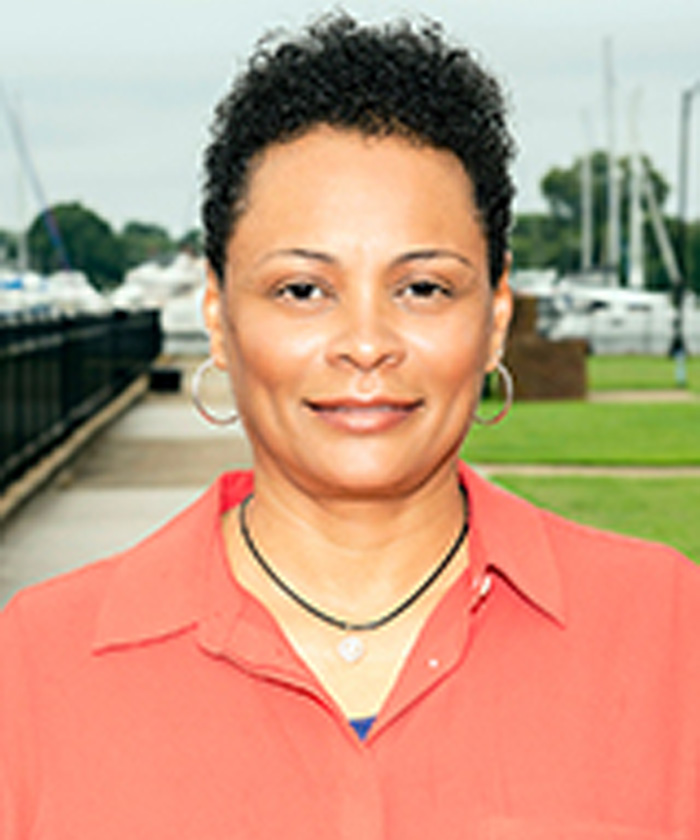
Photo of Deidre Gibson

Dr. Deidre M. Gibson

Chairperson, Professor
Areas of Expertise: Biological Oceanography

Dr. Deidre Gibson is the Chair of the Department of Marine and Environmental Science at Hampton University.  She earned her B.S. in Oceanography from the University of Washington, Ph.D. in Marine Science from the University of Georgia/Skidaway Institute of Oceanography. She is a broadly trained biological oceanographer with research interests centered on the trophic ecology, reproductive biology, and population dynamics of zooplankton, but more specifically, gelatinous zooplankton, and currently oyster restoration. While at Hampton University, she has served as PI on several NSF and NOAA grants that continue to train the next generation of African American marine scientists

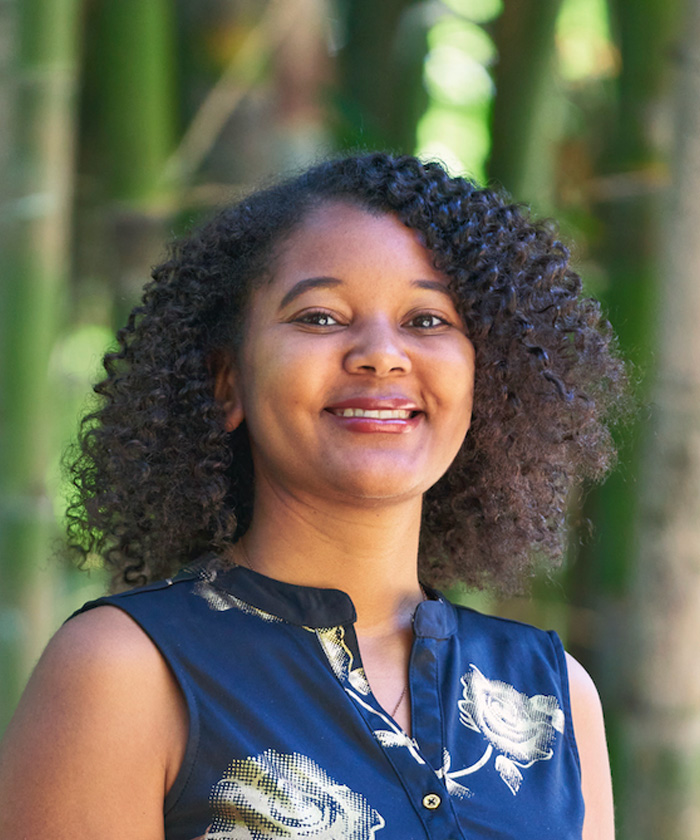
Photo of Ashlyn Ford

Dr. Ashlyn Ford

Post-doctoral Fellow
Areas of Expertise: Marine Science and Disease Ecology
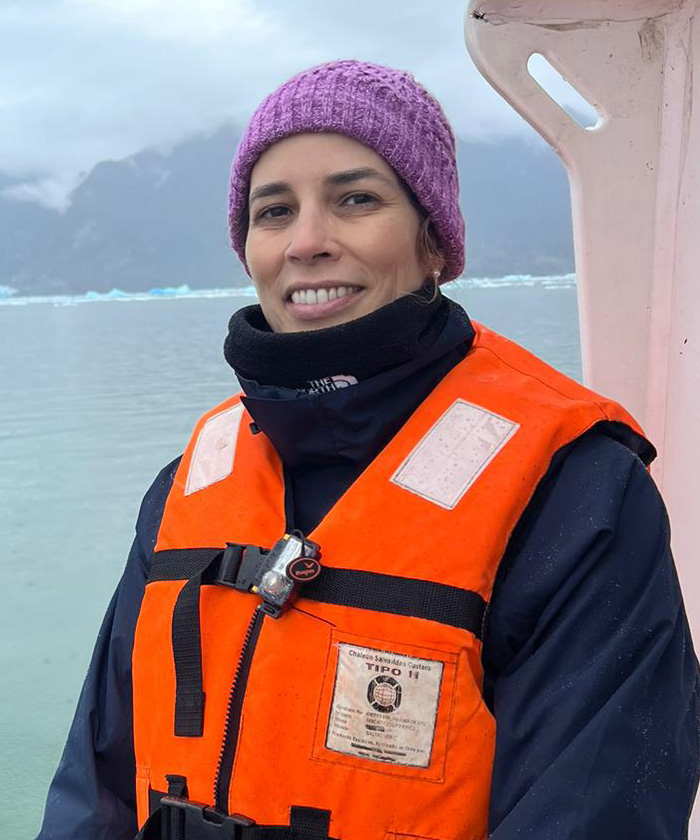
Photo of Carolina Lewallen

Dr. Carolina Bonin Lewallen

Associate Professor
Areas of Expertise: Population Genetics, Marine Mammal Ecology
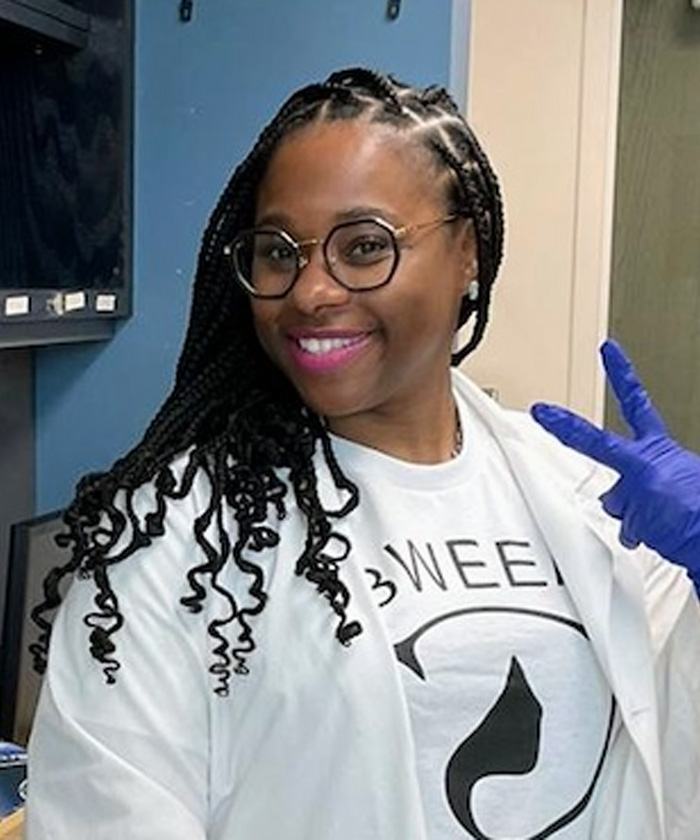
Photo of Jeanette Davis

Dr. Jeanette Davis

Assistant Professor
Areas of Expertise: eDNA, bacterial symbiosis, climate justice, bioremediation
Photo of Joseph Reustle

Dr. Joseph Reustle

Assistant Professor
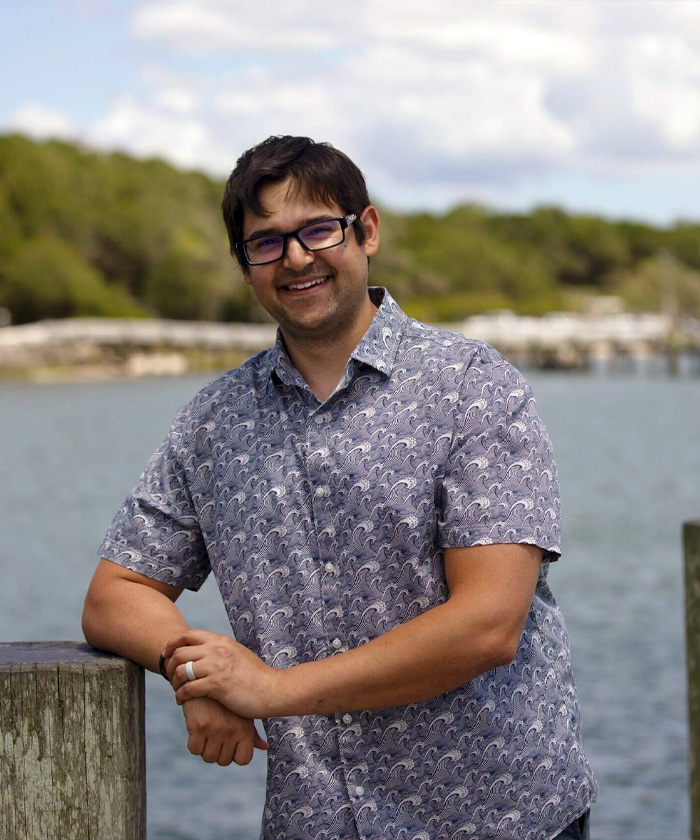
Areas of Expertise: Marine ecology, Community ecology, Species interactions
Photo of Juan Aguilar

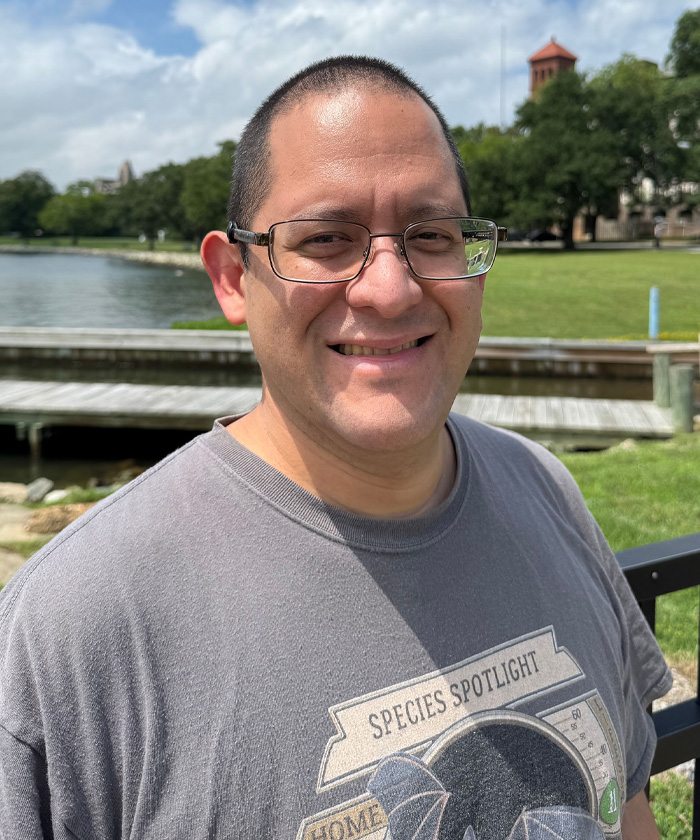
Dr. Juan Pablo Aguilar

Post-Doctoral Fellow
Your support fuels innovation in the School of Science. Contributions help create state‑of‑the‑art learning environments by funding new laboratories and providing advanced equipment that empowers students and faculty to push the boundaries of research and technology.