School of Science

Mathematics

Where problem‑solvers become innovators.

The Department of Mathematics offers courses that lead to the degrees of the Bachelor of Science in Mathematics and the Master of Science in Applied Mathematics. The department hosts the Center for Fusion and Training, where associated faculty members apply nonlinear dynamics in fusion science and train undergraduate and graduate students. It also hosts Hampton University’s Quality Enhancement Plan (QEP), whose main goal is to improve the financial literacy of our students. The department runs a weekly/biweekly seminar where students, faculty, and invited guests present their research results.

Degree Programs

Select a degree program to take a look at the curriculum, course requirements, and application process.

News Spotlight

Hampton University will convene scholars and industry leaders from across the globe for the International Conference on Engineering, Mathematics and Industrial Applications (ICEMIA), a two-week virtual gathering designed to spark...
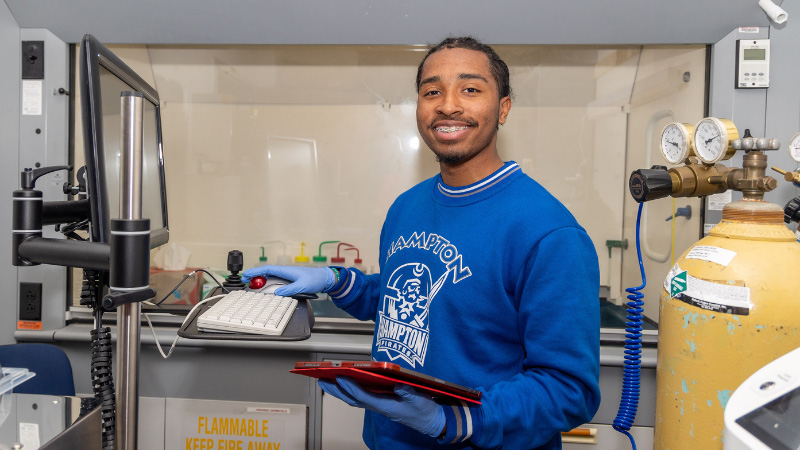
A student wearing medical gloves stands at a computer in a lab while holding a tablet,

Advancing discovery through the language of numbers.

Research within the Department of Mathematics gives you the opportunity to explore the theories and techniques that shape scientific innovation. Graduate study in Applied Mathematics prepares you for research-intensive careers or for continuing on to Ph.D. programs, where mathematical modeling, data analysis, and computational methods play a central role in solving real‑world problems.

Our Team Members

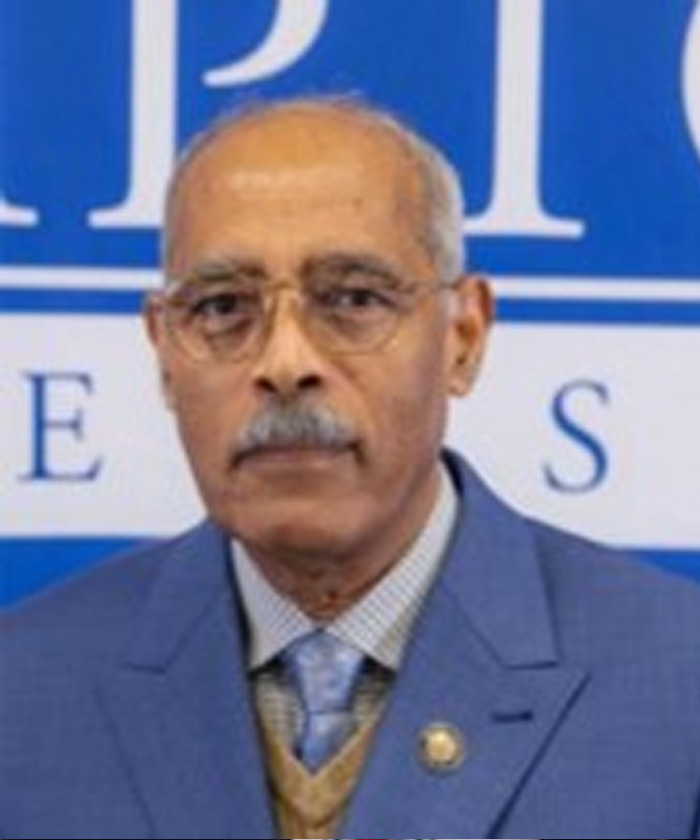
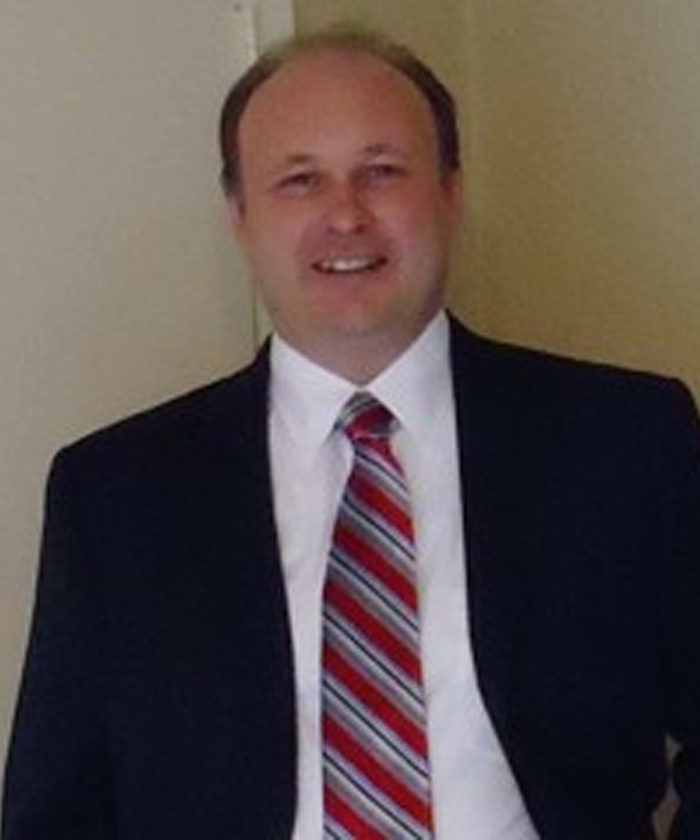
Photo of Dejenie Lakew

Dr. Dejenie Lakew

Interim Chairperson, Assistant Professor
Areas of Expertise: Functional Analysis, Operator Theory, Hyper-Complex Function Theory and Differential Equations
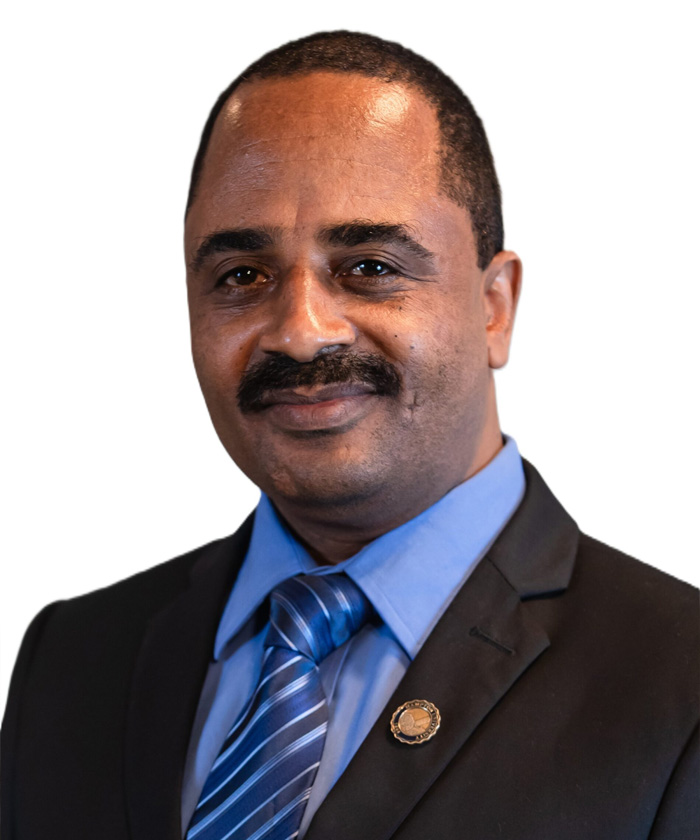
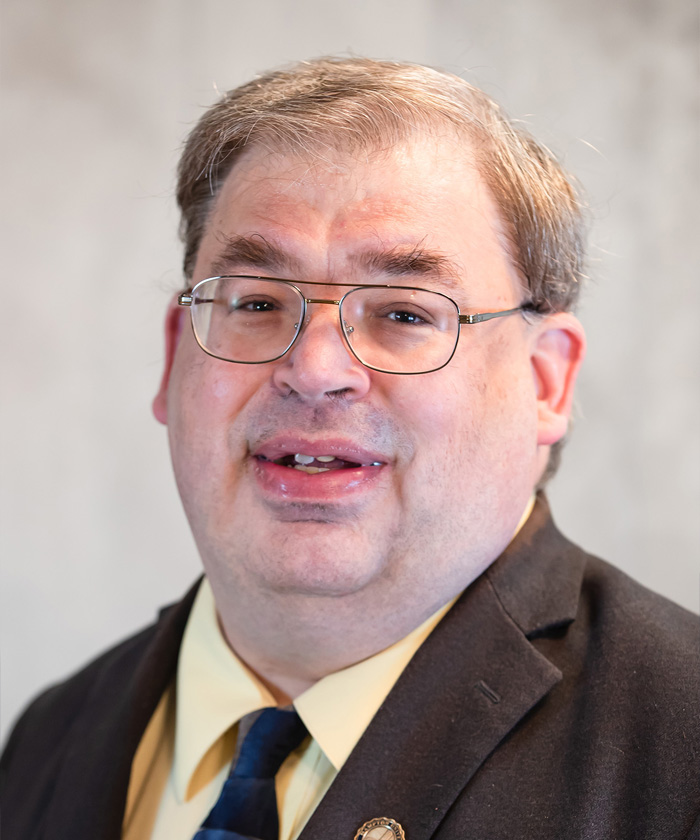
Photo of Alemayehu Negash

Dr. Alemayehu Negash

Assistant Professor
Areas of Expertise: My current research directions focus on: Applied Mathematics and Mathematical Analysis; Probability Theory and Fractional Stochastic Partial Differential Equations (SPDEs); Functional Analysis and Fixed Point Theory; Linear and Nonlinear Optimization Methods; Matrix Theory, operator theory; Abstract Algebra, and Group Theory.
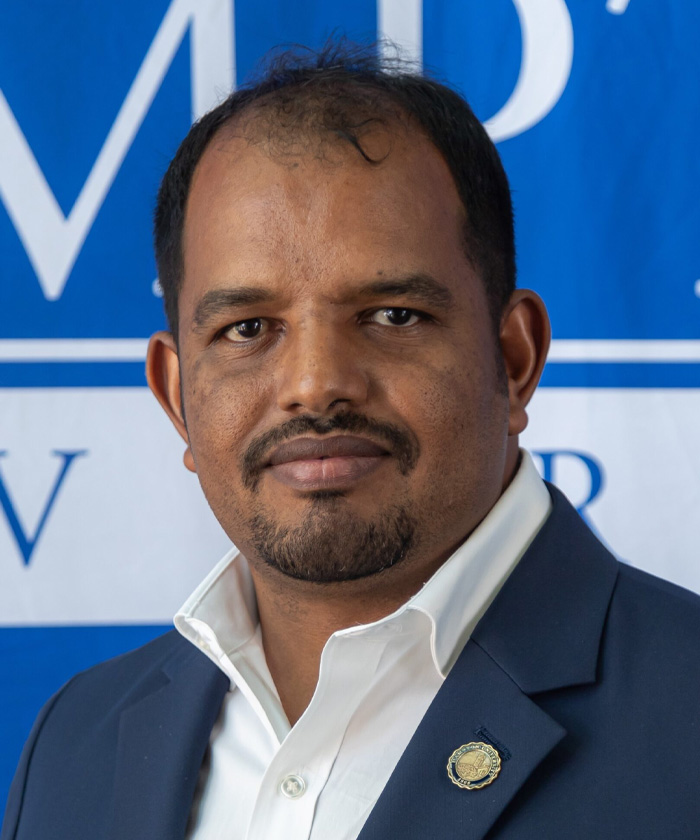
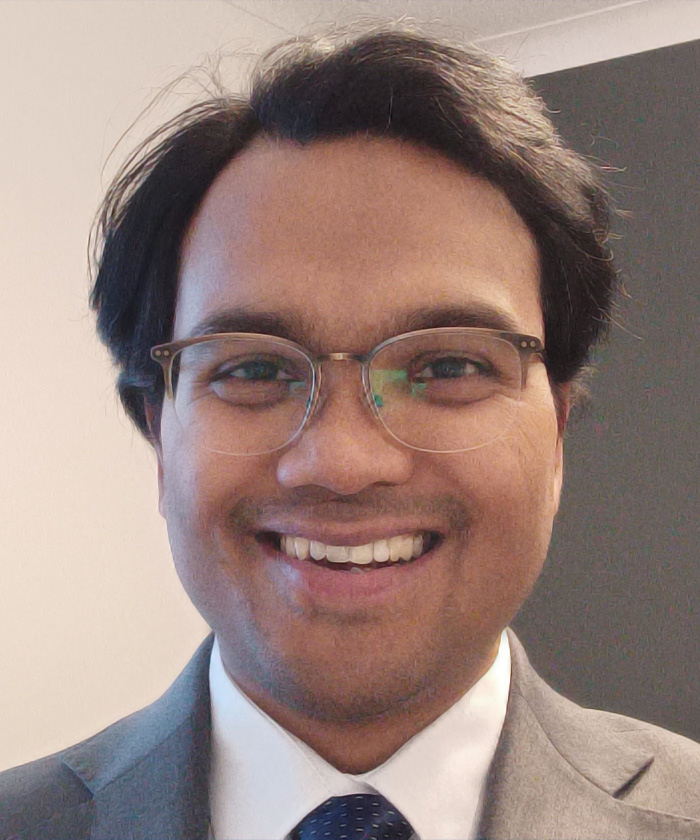
Photo of Alsadig Ali

Dr. Alsadig Ali

Assistant Professor
Areas of Expertise: Data Science and Computational Mathematics, with emphasis on Bayesian Statistics, Uncertainty Quantification, and High-Performance Computing (HPC). Scalable computational and statistical methods to solve inverse problems related to flows in porous media, including subsurface characterization, contaminant transport, and energy applications. Leveraging data analytics and machine learning techniques to enhance modeling, simulation, and decision making in large scale scientific c
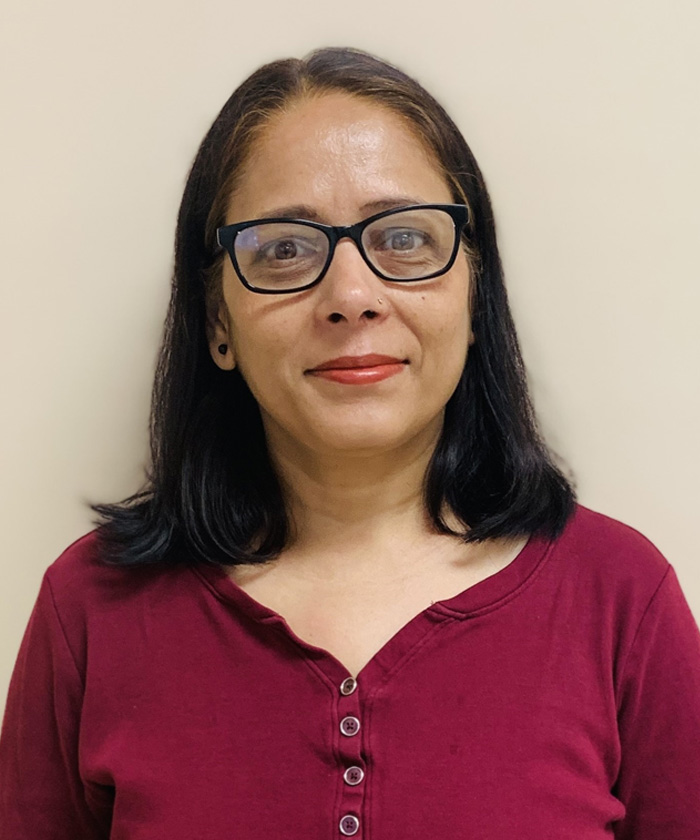
Photo of Archana Timsina

Dr. Archana Timsina

Assistant Professor
Areas of Expertise: Dr. Timsina’s research interests include Mathematical Biology, Epidemiology, Mathematical Modeling, Data Science, and Computational Dynamical Systems. Her work focuses on applying mathematical and computational techniques to analyze complex systems and solve interdisciplinary problems. She always looks for innovative ways to solve problems regarding data structure, algorithm, and build strong relationships with diverse individuals to improve processes.
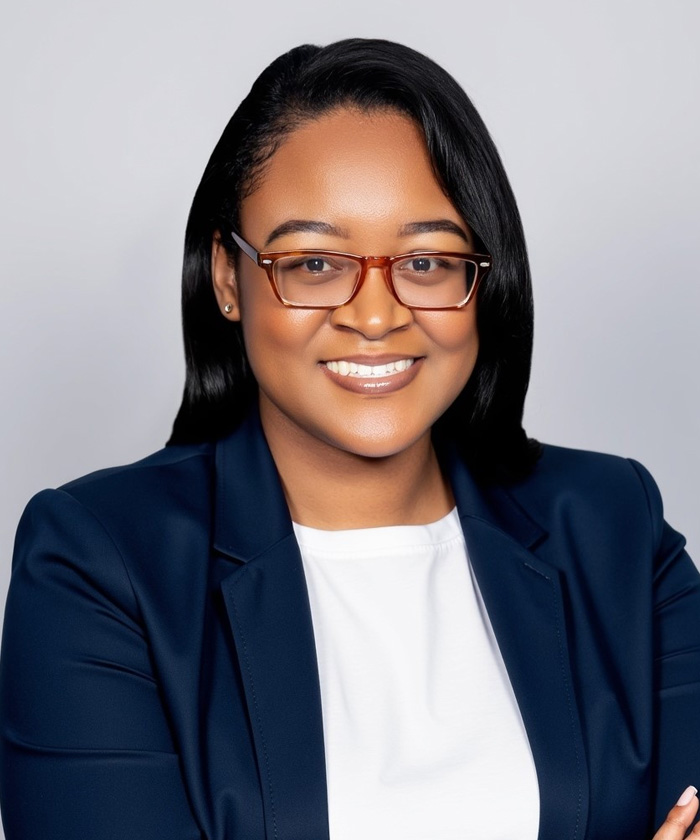
Photo of Chelsea Harris

Dr. Chelsea Harris

Assistant Professor
Areas of Expertise: Computer-aided diagnosis, sparse analysis, machine learning, artificial intelligence in medicine, biomedical imaging, image analysis.
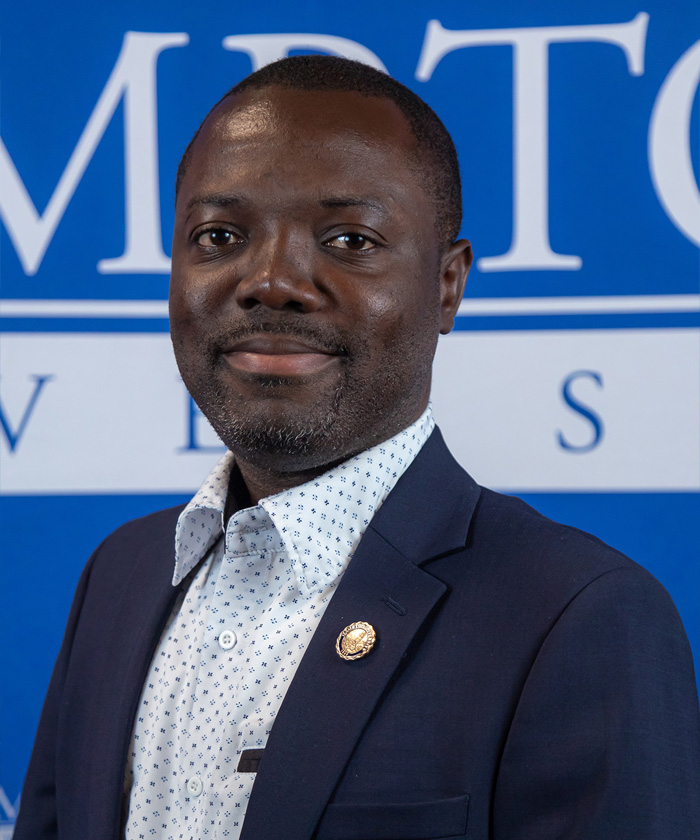
Photo of Daniel Ntiamoah

Dr. Daniel Ntiamoah

Assistant Professor
Areas of Expertise: Optimization and alternating algorithms, Numerical analysis and computational methods in high dimensions, Dynamical systems and nonlinear dynamics, Mathematical biology and epidemiological modeling, Differential equations (ordinary and partial), Machine learning and artificial intelligence applications, Applied mathematics and mathematical modeling.
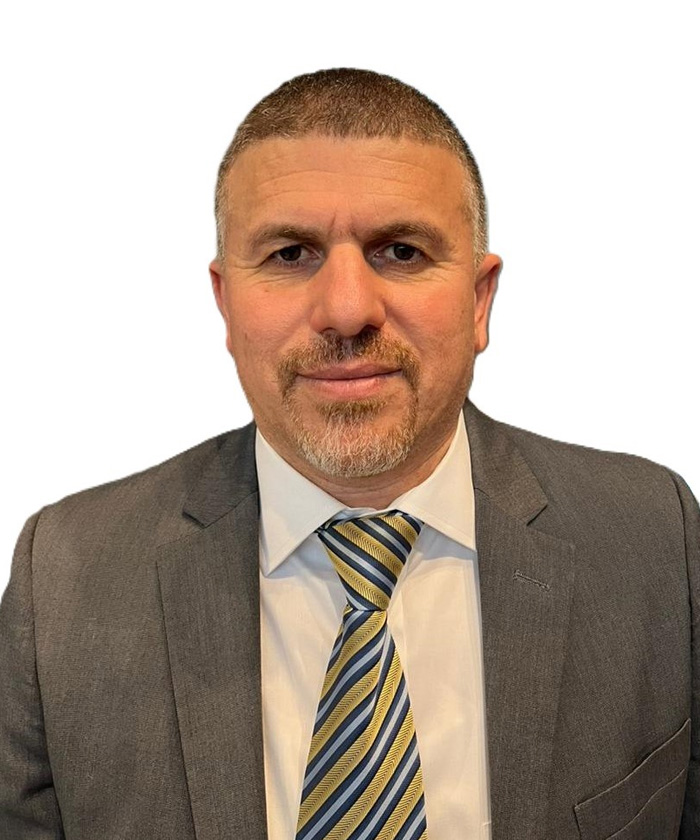
Photo of Feras Yousef

Dr. Feras Yousef

Associate Professor
Areas of Expertise: Nonlinear Partial Differential Equations arising in Physical, Biological, and Materials Sciences; Numerical Methods; Dynamical Systems; Structural Bioinformatics; Geometric Function Theory; Fixed Point Theory; Fractional Differential Equations and their Applications.
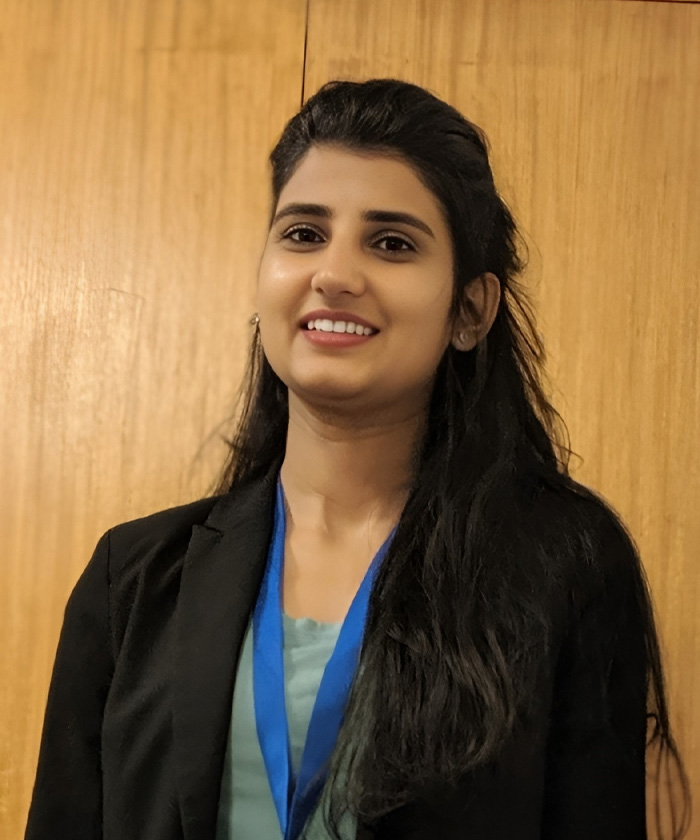
Photo of Fnu Monika

Dr. Fnu Monika

Assistant Professor
Areas of Expertise: Functional Analysis and Operator theory. Open to explore new fields.
Photo of Gabrielle Smith

Dr. Gabrielle Smith

Assistant Professor
Areas of Expertise: Dr. Gabrielle L. Smith’s research integrates mathematical modeling, data analytics, and computational biology to explore social-ecological resilience within a One Health framework—examining how human, animal, and environmental systems adapt to change. Her interdisciplinary work develops data-driven models to investigate disease resilience in wildlife and nutrition-sensitive agricultural systems in Sub-Saharan Africa.
Photo of Georgette Owusuamankwah

Dr. Georgette Owusuamankwah

Visiting Assistant Professor
Areas of Expertise: Dr. Owusu-Amankwah’s research interests reflect her commitment to addressing global challenges through rigorous statistical methodologies and interdisciplinary quantitative approaches. Her interests span mathematical and statistical modeling, mathematical finance, game theory with artificial intelligence, community and economic development, climate change and clean energy, behavioral and health economics, nutrition and food security, environmental health, technology adoption,

Mr. Graham Fogelgren

Administrative Assistant
Photo of Meaza Bogale

Dr. Meaza Bogale

Assistant Professor
Areas of Expertise: Matrix analysis, multilinear algebra, and their applications to Lie groups and Lie algebras. Functional analysis and fixed point theory, emphasizing the development of analytical methods that advance both theoretical & applied mathematics. Recent research includes the formulation of generalized contraction principles, co-cyclic mappings, and altering distance functions to establish existence and uniqueness theorems for nonlinear operators in metric, b-metric, cone metric, and
Photo of Nar Rawal

Dr. Nar Rawal

Assistant Professor
Areas of Expertise: Spectral Theory and Applications of Nonlocal Dispersal Operators, Population Dynamics, Ecological Modeling.
Photo of Ranis Ibragimov

Dr. Ranis Ibragimov

Associate Professor
Areas of Expertise: My research interests broadly lie in the applications of Mathematical Modeling (including Differential Equations, Analytic and Numerical Methods, Perturbation theory, Bifurcation phenomena, Asymptotic Methods, Data Analysis, and Statistics) to industrial, engineering, and environmental sciences. As a fluid dynamicist, I have worked on geophysical and environmental flows within a complex geometry. My research is numerically oriented and theoretical in nature.
Photo of Raymond DeWitt

Dr. Raymond DeWitt

Assistant Professor
Areas of Expertise: Task-specific self-efficacy and mathematics achievement, Peer-assisted learning and Supplemental Instruction in gateway mathematics courses, Holistic assessment and equitable placement practices in STEM education, Affective factors influencing student persistence in mathematics, Teacher preparation and pedagogical strategies in mathematics education, Data-informed interventions for improving student success and retention.
Photo of Shibabrat Naik

Dr. Shibabrat Naik

Assistant Professor
Areas of Expertise: Dr. Naik research interests are in theory and applications of dynamical systems, chaos, computational science and engineering including magnetic confinement of plasma, fusion energy, and theoretical chemistry. His interdisciplinary research articles on nonlinear dynamics and computational science have appeared in Physical Review E, Nonlinearity, Chaos, Communication in Nonlinear Science and Numerical Simulation, Royal Society’s Physical Chemistry and Chemical Physics.
Your support fuels innovation in the School of Science. Contributions help create state‑of‑the‑art learning environments by funding new laboratories and providing advanced equipment that empowers students and faculty to push the boundaries of research and technology.