
B.S. In Aviation Management - Air Traffic Control Concentration
Communicate

B.S. in Airport Administration: Air Traffic Control
We offer a Bachelor of Science in Aviation Management: Air Traffic Control. We are the first HBCU to be an approved FAA AT-CTI or Collegiate Training Initiative program. As a student, you will learn air traffic control (ATC) principles and procedures in a simulated tower and radar environment, while being in a position for management jobs within the FAA.
Potential Careers
- Tower Controller
- En-Route Controller
- Approach/Departure Controller
- Flight Service Specialists
- Airline Dispatcher
- Aviation Safety Inspector
- ATC Instructor
- Airway Transportation Systems Specialist
$144K
Many of our ATC graduates have gone on to have successful careers with the Federal Aviation Administration (FAA), Accenture, AccuFleet International, Grandview Aviation, Lockheed Martin Corporation, National Geospatial-Intelligence Agency, and the Science Applications International Corporation (SAIC). According to the U.S. Bureau of Labor Statistics, the median salary for air traffic control specialists as of 2024 is $144,580.
But what is an air traffic controller?
Air traffic controllers provide separation services to aircraft operating in the National Airspace System to expedite and maintain a safe and orderly flow of air traffic. Because controllers have an enormous responsibility to protect the lives and property of U.S. citizens, the air traffic control profession is often regarded as one of the most stressful jobs in the world. Potential students should be focused, able to perform multiple tasks simultaneously and have good math and logic skills. Candidates must also have school or work records that illustrate good conduct, personal responsibility, professionalism, and effective communication skills.


MISSION STATEMENT
PROGRAM EDUCATIONAL GOALS
- Provide the necessary knowledge, skills, and attitudes to competently and ethically function as air traffic controllers. Each program must meet requirements equivalent to those established by the FAA in the Air Traffic-Collegiate Training Initiative (AT-CTI) partnership agreement.
- Ensure that graduates are able to anticipate, recognize, and evaluate potential situations in the en route or terminal environments; develop and act on appropriate strategies to alleviate conflicts; and apply principles of safe, expeditious, and orderly air traffic control rules to the flow of traffic.
- Maintain accreditation criteria in partnership with the Aviation Accreditation Board International (AABI)
There are other requirements to consider after completing your degree. To be considered for employment, you must:
- Be a United States citizen and, if required, register for the selective service.
- Receive an official school recommendation. Each school determines the criteria for recommendation to the FAA, which could include grade point average, attendance, and/or a Capstone project or test.
- Have NOT reached age 31 prior to be hired. Keep this in mind as you determine whether you can complete the academic program in this time frame. You should also allow AT LEAST 6 months from time of graduation to receive an appointment.
- Pass a rigorous medical examination.
- Successfully pass both a background and a security investigation.
- Achieve a score of at least 70 on the FAA pre-employment test (ATSA).
- Speak English clearly enough for others to understand you on communications equipment.
- Successfully complete an interview to determine whether the candidate possesses the personal characteristics necessary for the performance of air traffic control work and whether the candidate is able to speak English clearly enough to be understood over radios, intercoms, and similar communications equipment.
Provided you meet all the requirements above, you will be allowed to apply for a job as an air traffic controller under the “CTI Announcement”. Selection for an air traffic controller job depends on your application, resume, experience, where you are willing to work, and your ATSA score. Once you have been selected and received a Firm Offer Letter, you will be scheduled to begin your training at the FAA Academy in Oklahoma City to become an air traffic controller.
Air Traffic Control Labs
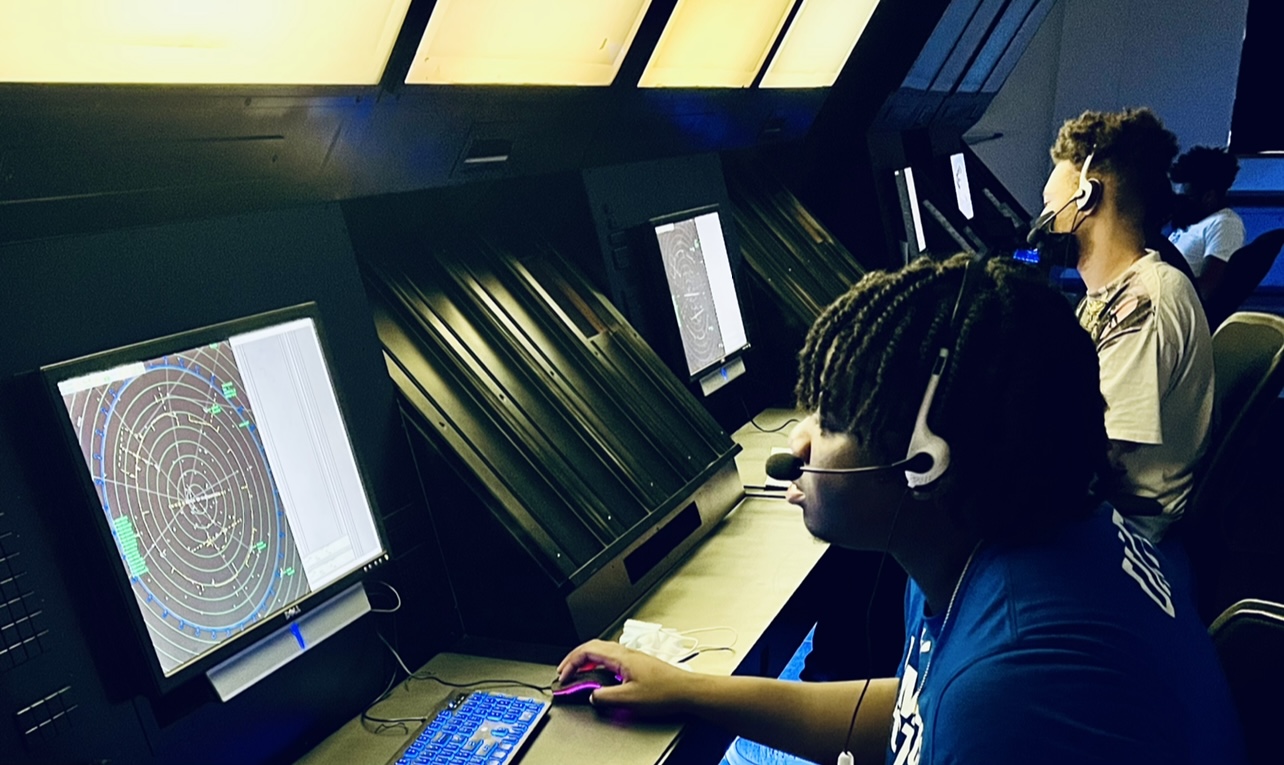
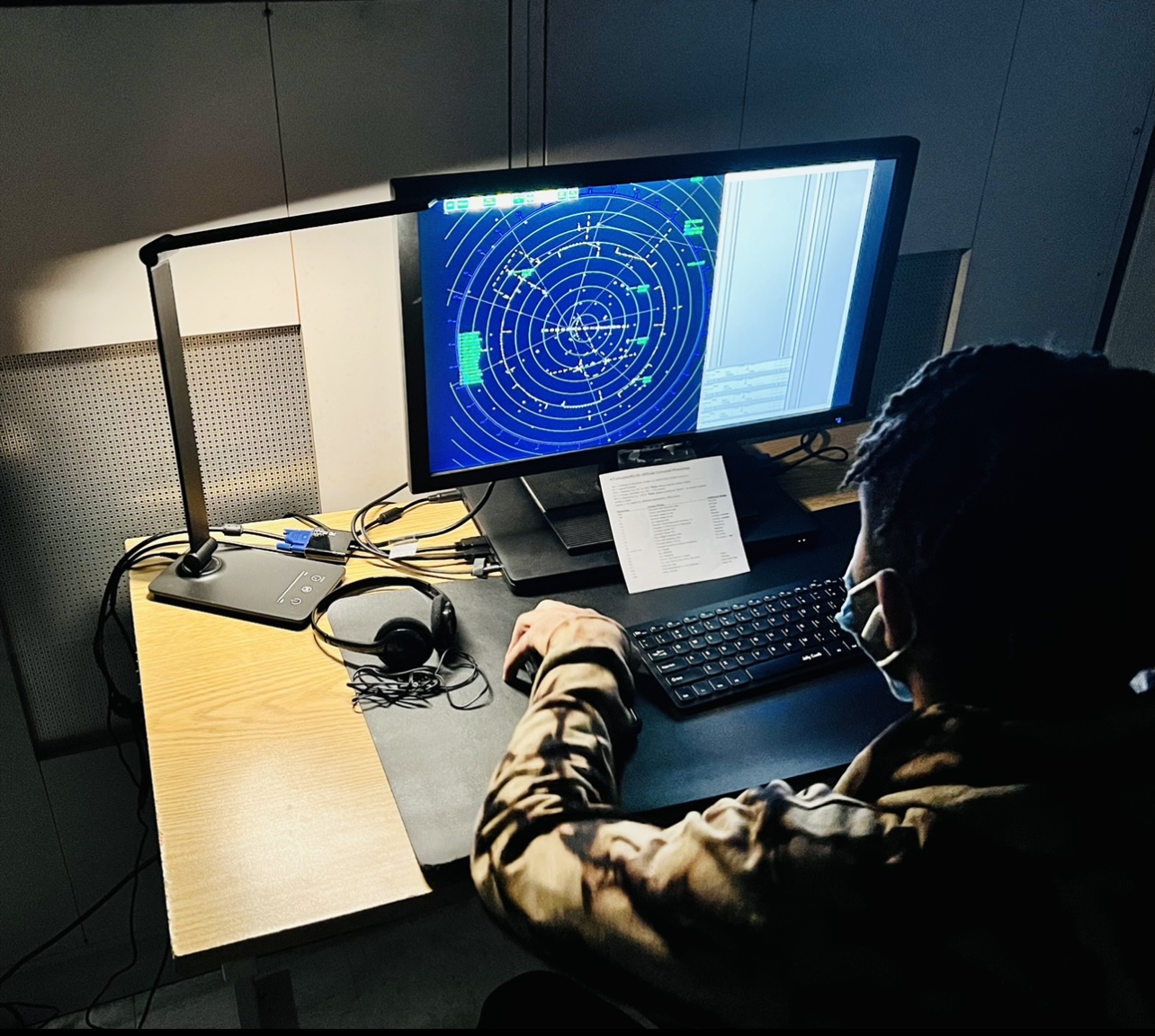
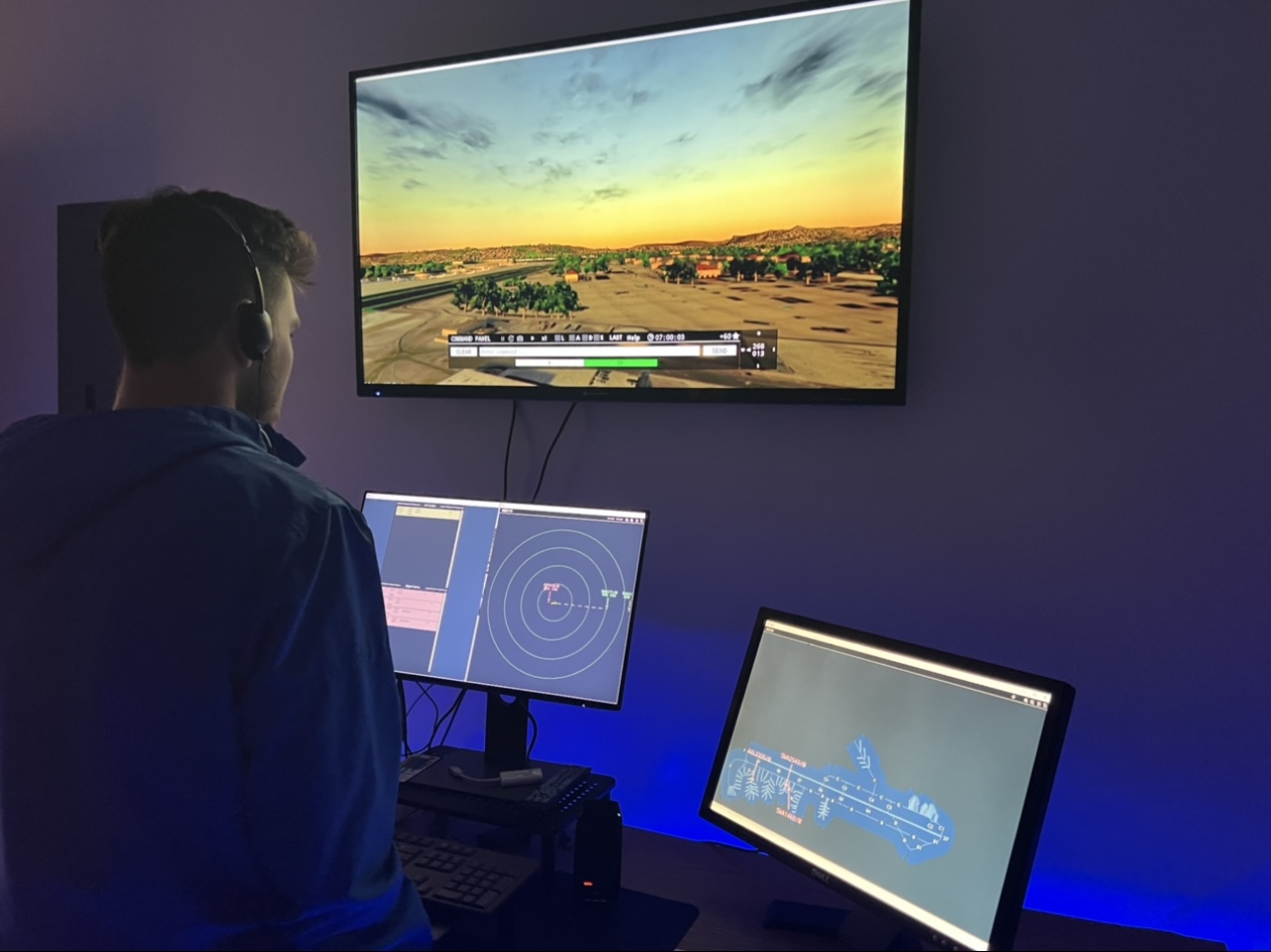
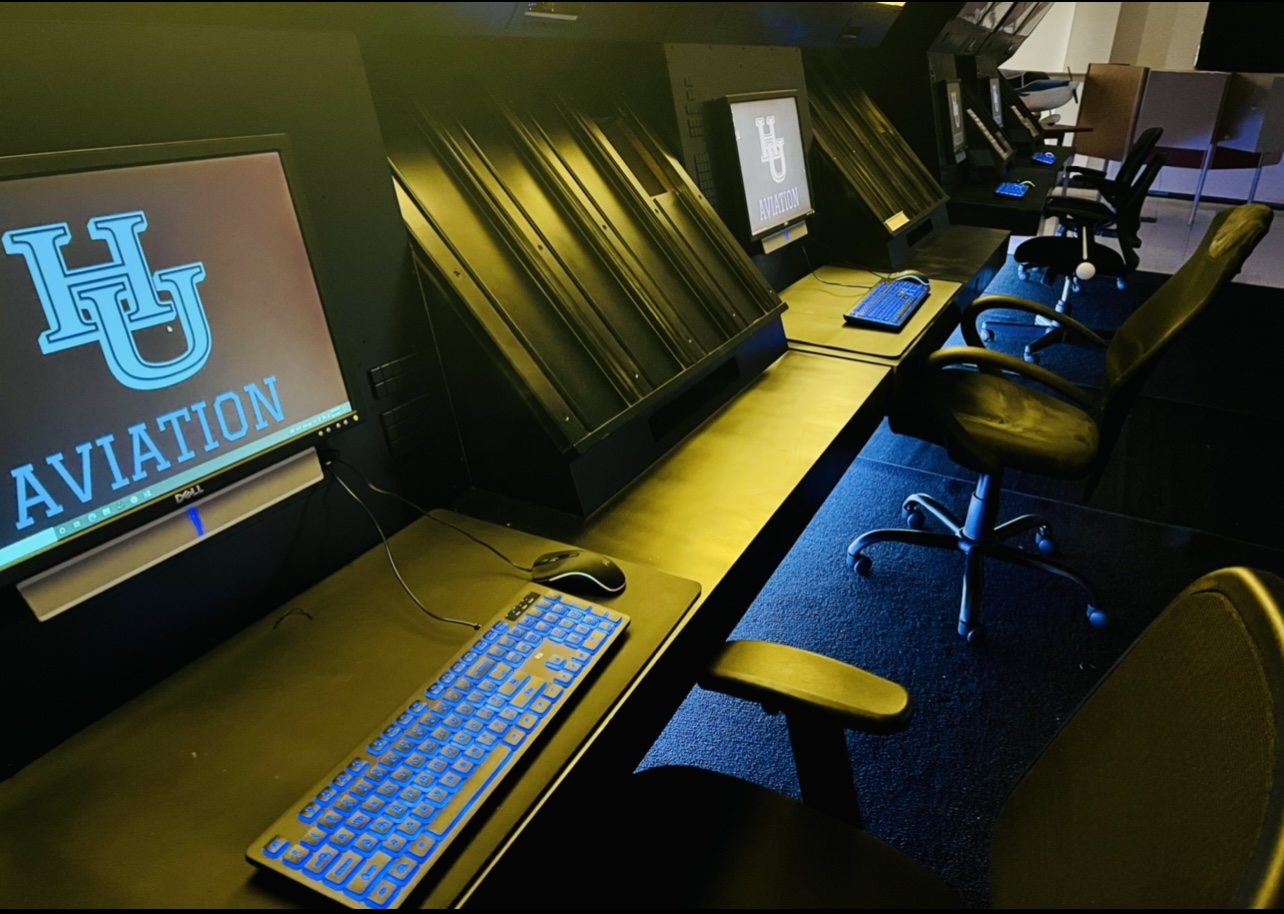
The Air Traffic Control program contains two labs that imitate radar and tower-simulated environments.
The terminal radar lab are high-fidelity and utilizes the ATCPro software in addition to the ATCSimulator-2 software to introduce students to ATC procedures in the terminal radar environment. The radar lab simulates the TRACON (Terminal Radar Control) environment to include voice recognition, virtual controllers, pseudo-pilot simulations and more!
The Aviation Department has established a licensing agreement with software company FeelThere to use the Tower 3D Pro software in the Tower lab. Tower 3D Pro utilizes the latest technology to provide students with a realistic Tower environment that helps to enhance their understanding of ATC procedures in the tower environment. This software includes voice recognition, electronic flight strips, 3D views of the airport, and much, much more!


Preparing for the atsa
To be considered for an air traffic control position with the Federal Aviation Administration, all applicants must take and pass the Air Traffic Skills Assessment, often referred to as the ATSA.
This test is the first major screening for entering the profession.
The Air Traffic Control program incorporates the Air Traffic Skills Assessment (ATSA) Test Prep from JobTestPrep to provide students with a discounted rate through the department and prepare students for what they will see when taking the ATSA test. Click the link below for more information about the ATSA Test and JobTestPrep’s ATSA Test Prep.